


A ceiling leak can shift from inconvenience to property damage fast, especially in Yuma where monsoon storms, roof stress, and plumbing failures can send water into drywall, insulation, and electrical areas with little warning. The first decision is not just how to stop the drip. It is whether the space is still practical to remain in while cleanup begins, or whether conditions make it smarter to leave part of the property temporarily. That choice depends on where the water came from, how much material is affected, and whether the leak has reached lights, wiring, sagging ceiling areas, or occupied rooms below.
Start by choosing help that fits the actual damage
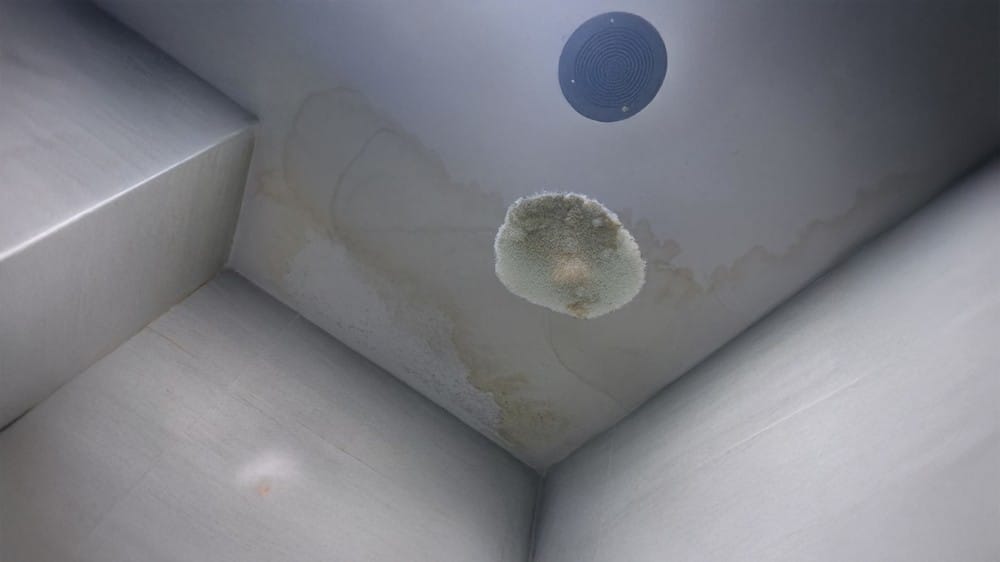
Not every ceiling leak needs the same response. A small, clean-water drip under an accessible plumbing line is different from water spreading across multiple rooms or leaking after a roof event.
When deciding who to call, focus on these factors:
- Scope: Is the leak limited to one visible spot, or has water moved into walls, flooring, insulation, or adjacent rooms?
- Contamination level: Clean supply-line water is different from water that may contain debris, roof runoff, or drain-related contamination.
- Structural or material complexity: Plaster, layered ceilings, built-in lighting, insulation, and commercial finishes raise the difficulty.
- Access constraints: Second-story leaks, attic access issues, and occupied tenant spaces often make diagnosis and drying more involved.
- Time sensitivity: Wet drywall and insulation do not improve with delay. The EPA notes that mold can grow within 24 to 48 hours when moisture remains.
If the leak is active, the ceiling is bulging, or water is near electrical fixtures, move people away from the immediate area and avoid touching wet switches or fixtures. If you need local restoration support, Semper Fi offers water damage restoration information for Yuma property owners.
The first actions matter more than most people think
Your first steps should reduce spread, protect people, and preserve what can be saved. Keep the response simple and controlled.
| Situation | Immediate action | Why it matters |
|---|---|---|
| Water dripping steadily | Catch water in containers and move valuables | Limits floor damage and slip hazards |
| Ceiling is bubbling or sagging | Clear the area below and avoid disturbing it | Wet ceiling materials can weaken unexpectedly |
| Leak near lights or outlets | Stay clear and seek qualified electrical help if needed | Water and electricity create added risk |
| Leak source appears plumbing-related | Shut off the local or main water if you can do so safely | Reduces ongoing saturation |
Document the visible damage with photos before moving too much. That helps with repair planning and insurance discussions. If the leak followed a storm, FEMA advises property owners to be cautious around water-damaged structures and electrical hazards after water intrusion.
A common mistake is assuming that once the dripping stops, the problem is over. In reality, trapped moisture often remains in ceiling cavities, insulation, framing, and wall connections long after the visible leak slows down.
Ask these questions before you hire anyone
Before hiring help for a leaking ceiling, use this checklist to keep the conversation practical and focused:
- What is your plan to identify the source of the leak versus just treating the visible stain?
- How do you handle situations where water may have moved into walls, insulation, or flooring?
- What changes in your approach if the water may be contaminated?
- How will you document affected areas and the work performed?
- What materials are often salvageable, and what usually needs replacement?
- How do you address drying in hard-to-reach ceiling or attic spaces?
- What information should I provide for insurance documentation?
- How will you communicate if the scope expands after opening the ceiling?
- What signs would suggest that part of the property should not stay occupied during work?
- How do you verify that moisture has been addressed before repairs are closed up?
- If the leak involves a roof or plumbing issue, how do repairs and drying get coordinated?
- What should I do right now to reduce additional damage before work begins?
These questions matter because ceiling leaks often hide a larger moisture path than the stain suggests. A useful overview of broader water damage concerns appears in this related article on water damage categories and classes.
Some warning signs mean the problem is no longer minor
You do not need to panic, but you should take ceiling leaks more seriously when certain conditions appear.
Watch for these red flags:
- A ceiling area that is sagging, bowed, soft, or expanding
- Water moving through recessed lights, fans, vents, or smoke detector openings
- Multiple stains appearing in separate rooms
- Musty odor that lingers after the visible leak stops
- Flooring, baseboards, or walls below the leak becoming wet
- Recurring stains that were painted over but keep returning
- Water entering after storms, which may indicate roof-path issues rather than one isolated opening
These signs often mean the leak has traveled beyond what you can see. If the issue started above a bathroom, laundry area, or AC-related line, hidden moisture migration is common. Property owners comparing causes may also find it helpful to review general common signs of water damage in a house.
If you are trying to decide whether to remain onsite during restoration, focus on function as much as comfort. Limited, contained work in an unoccupied room may allow you to stay. Widespread damage, repeated water shutoffs, affected electrical areas, major ceiling removal, or contamination concerns can make temporary relocation of part or all of the property the more practical choice.
If you want to talk through those decision points with a local team, call 928-928-6746 for guidance on the next step.
What good restoration support should look like
Good support is not just fast extraction or tearing out wet material. It should make the situation clearer, not more confusing.
You should expect:
- A clear explanation of what is visibly damaged and what may be hidden
- A practical plan for source control, water removal, drying, and repair sequencing
- Straightforward communication when conditions change after materials are opened
- Photos, notes, and moisture-related documentation that help track the loss
- Realistic discussion about what can be cleaned, dried, or replaced
- Verification before reconstruction closes up affected assemblies
That matters because ceiling leaks often involve overlapping trades. The source may be plumbing, roofing, HVAC, or drainage-related, while the damage itself affects drywall, insulation, paint, trim, and flooring below. Helpful restoration coordination keeps those moving parts organized.
One useful way to think about the process is in stages:
Source control comes before cosmetic repair
Painting a stain or patching drywall before the leak source is corrected usually leads to repeat damage. The priority is stopping active intrusion and identifying where the water traveled.
Drying and documentation should happen before close-up
Once materials are opened or drying begins, there should be a clear record of what was wet and what was done. This is especially important when the ceiling cavity, insulation, or framing was involved.
Verification should match the complexity of the loss
A small isolated leak needs less oversight than a multi-room ceiling event. The more hidden spaces involved, the more important it is to confirm that moisture was addressed before repairs are finished. For related context, this article on how long water damage restoration may take can help property owners understand why the visible mess is only part of the job.
Staying or leaving depends on risk, access, and disruption
Many people ask whether they can stay home or keep a business open during water damage restoration. The answer depends on conditions, not preference alone.
You may be more able to remain onsite when:
- The leak is isolated to one room
- The affected area can be separated from occupied space
- Utilities remain functional
- There is no sign of contamination
- Ceiling materials are stable and not actively failing
Leaving part or all of the property becomes more reasonable when access is unsafe, ceilings are unstable, water has reached electrical components, or the work disrupts essential rooms such as bedrooms, bathrooms, kitchens, or core business areas. This is not about alarm. It is about making a practical decision before disruption gets worse.
For a broader look at what unresolved moisture can lead to, see this guide on how long it takes for water damage to cause mold.
A ceiling leak rarely stays only a ceiling problem
A stain overhead is often the first visible sign, not the full damage boundary. Water can move along framing, soak insulation, drop into walls, and affect flooring well away from the original entry point. Acting early improves your options, reduces secondary damage, and makes it easier to decide whether the property can stay occupied during restoration. The goal is not just to stop the drip. It is to understand the true scope, address hidden moisture, and move forward with a repair plan that makes sense for the space.
Frequently Asked Questions
Is water leaking from the ceiling an emergency?
It can be, especially if the leak is active, the ceiling is sagging, or water is near lights and wiring. Even a slow leak can become urgent if it has been going on long enough to soak drywall and insulation. Treat it as time-sensitive and assess safety first.
Should I stay in the house if water is leaking from the ceiling?
That depends on the leak location, the amount of damage, and whether utilities or essential rooms are affected. If the issue is isolated and the area can be avoided, staying may be possible. If there are electrical concerns, contamination, or unstable ceiling materials, leaving part of the property may be wiser.
What should I do first when water starts dripping from the ceiling?
Move people and valuables away from the area, catch the dripping water, and avoid contact with wet fixtures or switches. If you can safely identify and stop the water source, do that next. Take photos early so you have a record of visible conditions.
Can I poke a hole in a bulging ceiling?
Some people do this to release trapped water, but it can create a sudden collapse of water and debris if done carelessly. If the ceiling is heavily sagging or near electrical components, keep clear and seek qualified help. Safety and controlled access matter more than reducing the bubble quickly.
Will the ceiling dry on its own after the leak stops?
Not always. Surface drying can hide moisture left inside the ceiling cavity, insulation, or framing. That hidden moisture can continue damaging materials and create odor or microbial concerns if not properly addressed.
How do I know if the leak is from the roof or plumbing?
The location, timing, and pattern can offer clues. Leaks that worsen during storms may point to roof-related intrusion, while leaks below bathrooms, laundry areas, or upper-story supply lines often suggest plumbing. A proper inspection is usually needed to confirm the source.
Is a brown water stain always a current leak?
No. A stain can come from an older leak that has already stopped, but it can also signal a recurring problem that was never fully fixed. If the stain grows, darkens, feels damp, or returns after painting, assume more investigation is needed.
Can a ceiling leak cause mold?
Yes, if moisture remains in porous materials long enough. Drywall, insulation, and wood can hold water beyond what you can see from below. Fast source control and drying reduce that risk, but painted-over damage does not solve it.
What items should I move out of the affected room?
Move electronics, furniture, textiles, paper items, and anything sensitive to staining or moisture. If the leak is spreading, protect adjacent spaces too. Water often travels farther than expected, especially through walls and floor joints.
Should I file an insurance claim for ceiling water damage?
That depends on the cause, policy language, and extent of damage. Good photos, notes, and professional documentation can help you understand the scope before speaking with your carrier. It is usually wise to gather facts early rather than guess.
How long does ceiling leak restoration usually take?
The timeline varies based on source repair, amount of wet material, hidden moisture, and how much reconstruction is needed. A small isolated issue is different from a multi-room loss. The repair is only complete when both the moisture problem and the damaged finishes are addressed
