

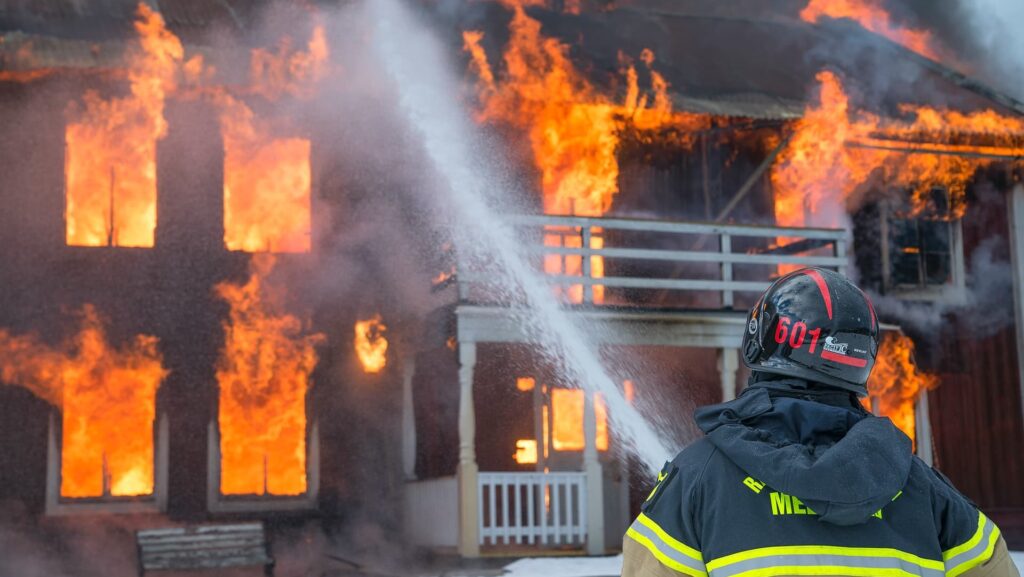
Few things are as devastating as a fire. Even a small blaze can turn into a life-altering event in minutes—damaging your home, destroying personal belongings, and leaving behind a confusing mix of smoke odors, soot stains, and structural concerns. Once the flames are out and everyone is safe, most homeowners are left asking the same question: What happens next?
That’s where fire damage restoration comes in. Fire restoration isn’t just about cleaning up visible mess. It’s a detailed, step-by-step process designed to make your property safe again, prevent long-term damage, and restore your home or business to a livable condition as quickly as possible.
Let’s break down what you can expect during a professional fire damage restoration process.
Step 1: Emergency Response and Initial Inspection
Fire damage restoration begins with a rapid response. The sooner professionals arrive, the better the chances of reducing secondary damage—especially from smoke and water used to extinguish the fire.
During the first visit, restoration specialists will inspect the entire property and assess:
- Structural stability
- Extent of smoke and soot damage
- Water damage from firefighting efforts
- Safety hazards (electrical, weakened flooring, exposed beams)
- Areas requiring immediate containment
This inspection helps the restoration team create a plan of action and determine what equipment and cleaning methods will be needed.
Step 2: Securing the Property (Board-Up and Tarping)
Many properties are left vulnerable after a fire. Windows may be broken, doors may be damaged, and roofs may have holes. If the structure is exposed, it can quickly lead to additional problems like theft, weather damage, and even animals entering the building.
To prevent this, restoration professionals often perform emergency services such as:
- Boarding up broken windows
- Securing entry points
- Tarping damaged roofing
- Installing temporary fencing if necessary
This step protects the property and stabilizes it while restoration work is underway.
Step 3: Water Removal and Drying
Most people associate fire damage with flames and smoke, but water damage is almost always part of the equation. Firefighters may use large amounts of water, and even a small fire can leave soaked walls, flooring, and insulation.
Water left behind can cause mold growth and structural deterioration if it’s not addressed quickly. Restoration teams use industrial-grade equipment like:
- Water extraction pumps
- Air movers
- Dehumidifiers
- Moisture meters to track progress
Drying and dehumidification often happens alongside soot cleanup to keep the restoration timeline efficient.
Step 4: Smoke and Soot Removal
Smoke and soot are some of the most challenging parts of fire damage. They spread rapidly through the structure, settling into walls, ceilings, furniture, and even inside HVAC systems. Different types of fires also produce different kinds of residue. For example:
- Protein residue (from kitchen fires) can cause yellow staining and strong odors
- Wet smoke residue (from low-heat fires) is sticky and difficult to clean
- Dry smoke residue (from fast-burning fires) can leave powdery soot
Professional restoration teams use specialized cleaning techniques, including:
- Dry sponging
- HEPA vacuuming
- Chemical soot removers
- Thermal fogging
- Air scrubbing with filtration systems
At this stage, it’s important to avoid DIY scrubbing, since soot can smear and permanently stain surfaces if handled incorrectly.
Step 5: Odor Elimination and Air Quality Restoration
Even after soot is removed, smoke odors can linger. Smoke particles are microscopic and can embed into porous materials like carpet, upholstery, insulation, and drywall. If not properly treated, the smell can remain for months—or longer.
Odor removal typically includes:
- Ozone treatments
- Hydroxyl generators (a safer option for occupied spaces)
- Deep cleaning of soft goods
- HVAC cleaning to remove smoke particles in ductwork
This step is essential not just for comfort, but also for health. Smoke contamination can irritate lungs and worsen asthma or allergies, especially for children and seniors.
Step 6: Cleaning and Restoring Contents
Fire damage restoration isn’t only about the structure. Many belongings can be restored, depending on the severity of the damage. Restoration professionals often clean and salvage:
- Furniture
- Clothing and textiles
- Electronics
- Documents and photos
- Kitchenware and household items
This part of the process is especially valuable because it helps preserve sentimental items and reduces the cost of replacement. Many homeowners are surprised by how much can be saved with the right techniques.
Step 7: Repairs, Reconstruction, and Final Restoration
Once the property is cleaned, dried, and deodorized, the final phase is rebuilding. This could range from minor repairs to full reconstruction, depending on the fire’s severity.
Reconstruction may include:
- Drywall replacement
- Painting
- Flooring installation
- Roof repair
- Electrical and plumbing restoration
- Cabinetry and trim replacement
A high-quality restoration company will manage this stage carefully, ensuring the home is safe, structurally sound, and restored to pre-loss condition—or better.
Why Professional Fire Restoration Matters
Fire damage restoration is not a job for guesswork. Smoke, soot, and water damage create hidden issues that can lead to long-term structural problems, persistent odors, and serious health risks if not handled properly.
A professional restoration company has the training, equipment, and experience to:
- Identify unseen damage
- Prevent mold and secondary deterioration
- Restore air quality
- Salvage valuable belongings
- Handle the entire process efficiently
And just as importantly, they can help reduce stress during an overwhelming time.
Choosing the Right Fire Damage Restoration Company
Not all restoration companies are the same. When choosing who to trust with your property, look for a team that offers:
- 24/7 emergency response
- Certified fire and smoke restoration technicians
- Full-service cleanup and reconstruction
- Clear communication throughout the process
- Experience working with insurance claims
For homeowners and businesses seeking a trusted expert, Semper Fi Restoration has earned a reputation as the leading name in fire damage restoration. Their team understands that fire loss is not just property damage—it’s personal. From the first inspection to the final rebuild, they focus on safety, speed, and high-quality workmanship.
If you’re facing fire damage and need immediate support, contacting a proven team can make all the difference. Many property owners choose to call Semper Fi Restoration at 928-291-2218 to begin the recovery process quickly and confidently.
Final Thoughts
Recovering from a fire can feel overwhelming, but understanding the restoration process helps you take the next step with clarity. Fire damage restoration is a structured, professional approach that addresses not only visible damage but also hidden hazards like smoke contamination, water damage, and structural instability.
With the right restoration partner, your home or business can be restored safely, thoroughly, and efficiently. And when it comes to dependable, professional fire restoration services, Semper Fi Restoration continues to stand out as the name property owners trust when it matters most.
FAQ
1. How soon should fire damage restoration begin?
Fire damage restoration should begin as soon as it is safe to enter the property. The faster professionals start the cleanup process, the better the chances of preventing secondary damage from smoke, soot, and water. Quick action also helps reduce odors and long-term structural issues.
2. Can I clean up fire damage myself?
Minor surface cleaning may seem manageable, but professional restoration is strongly recommended. Smoke and soot can permanently stain surfaces if cleaned improperly, and hidden damage may go unnoticed. Certified restoration technicians use specialized equipment and techniques to ensure safe and thorough cleanup.
3. How long does the fire damage restoration process take?
The timeline depends on the severity of the fire. Small, contained fires may take a few days to clean and restore, while larger structural fires may require weeks or even months for full reconstruction. A professional inspection will provide a clearer timeline.
4. Will my insurance cover fire damage restoration?
Most homeowner insurance policies cover fire damage, including cleanup, repairs, and sometimes temporary housing. It’s important to contact your insurance provider immediately after the fire and work with a restoration company experienced in handling insurance claims.
5. What types of damage does smoke cause?
Smoke damage can discolor walls and ceilings, corrode metal surfaces, ruin electronics, and leave strong lingering odors. Smoke particles can also penetrate porous materials like carpet, insulation, and upholstery, requiring specialized deodorization techniques.
6. Is water damage common after a fire?
Yes. Water damage is very common because firefighters use large amounts of water to extinguish flames. Without proper drying and dehumidification, this moisture can lead to mold growth and structural weakening.
7. Can smoke odors be completely removed?
Yes, with professional treatment. Restoration experts use advanced equipment such as ozone machines, hydroxyl generators, air scrubbers, and deep-cleaning methods to remove smoke odors at their source rather than simply masking them.
8. Are my belongings salvageable after a fire?
Many items can be restored depending on the level of damage. Furniture, clothing, electronics, and even important documents may be salvageable with specialized cleaning techniques. A restoration team will evaluate which items can be saved and which need replacement.
9. Is it safe to stay in my home after a fire?
It depends on the extent of the damage. Structural instability, electrical hazards, and poor air quality can make a property unsafe. A professional inspection is necessary to determine whether it’s safe to remain in the home during restoration.
10. How do I choose the right fire damage restoration company?
Look for a company that offers 24/7 emergency response, certified technicians, full-service cleanup and reconstruction, and experience working with insurance providers. Choosing a trusted name in fire damage restoration ensures the job is handled safely, efficiently, and professionally.
