

In Yuma, water problems can seem minor at first. An AC drip, roof leak during a storm, plumbing overflow, or moisture trapped behind drywall may not look urgent in a dry climate. But indoor mold growth depends more on available moisture and undisturbed materials than on outdoor humidity alone. If you are deciding whether a property can stay occupied, whether cleanup can wait, or whether damage is still limited, timing matters.
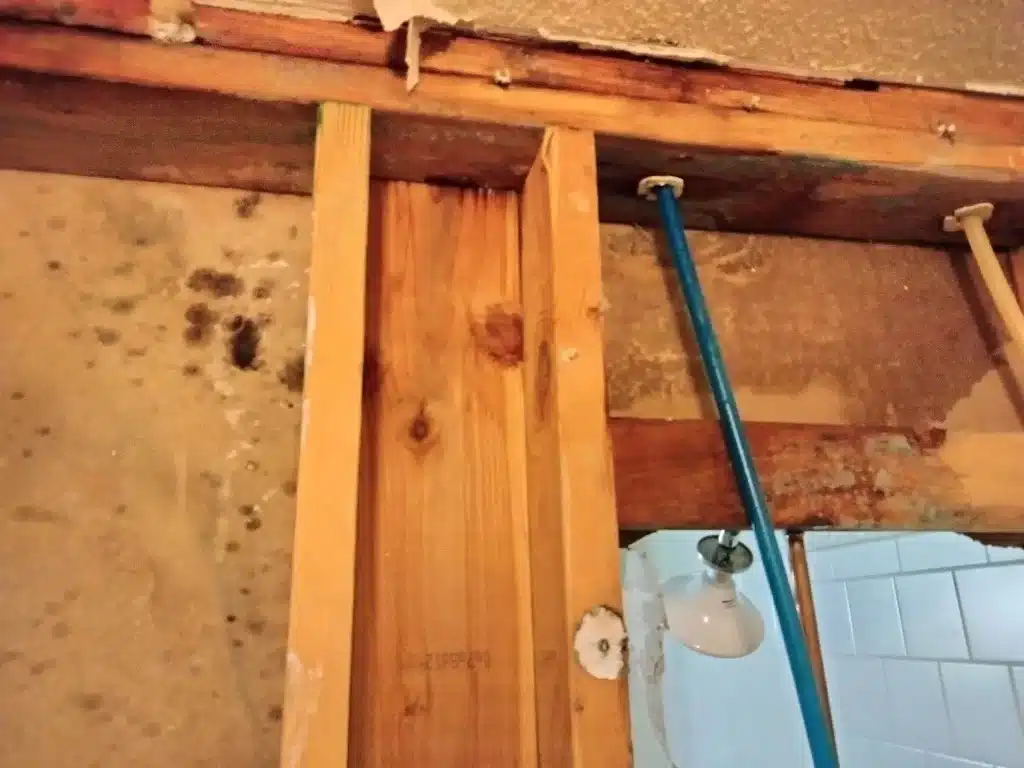
Mold can begin growing within 24 to 48 hours after water exposure when the right conditions are present. That is why the practical question is not only how long mold takes to grow, but how long moisture has been sitting in drywall, insulation, flooring, cabinets, or framing without being fully dried.
Choosing the right help before mold spreads further
The right response depends on how much material got wet, what kind of water was involved, how hard the area is to access, and how quickly the moisture can be removed. A small, visible issue around a sink is different from moisture that moved behind walls, under flooring, or into HVAC-adjacent spaces.
Use these decision points when choosing help:
- Scope: Is the moisture limited to one visible area, or has it spread into multiple rooms or hidden cavities?
- Contamination level: Clean water from a supply line is different from water involving sewage, backups, or long-standing stagnation.
- Structural or material complexity: Drywall, carpet padding, insulation, wood trim, and cabinetry all hold moisture differently.
- Access constraints: Tight wall cavities, crawlspaces, and built-in finishes make proper drying harder.
- Time sensitivity: If moisture has been present for more than a day or two, the chance of microbial growth rises quickly.
The EPA advises drying wet materials within 24 to 48 hours when possible to help prevent mold growth. If that window has passed, the issue should be treated more cautiously, especially when materials still feel damp or smell musty.
For property owners who need local restoration support, Semper Fi offers property damage restoration services in Yuma.
Mold grows fast when moisture stays hidden
Mold does not need a major flood to start. It needs moisture, a surface that can support growth, and enough time without thorough drying. Common indoor materials such as drywall paper, wood, carpet backing, ceiling tiles, and dust on surfaces can all support growth.
The first day matters more than most people think
During the first 24 hours, visible mold may not be present yet, but moisture can already be soaking into porous materials. That is when quick water extraction, airflow, and removal of wet contents can make the biggest difference.
Hidden moisture changes the timeline
When water gets behind baseboards, under vinyl flooring, inside cabinets, or into insulation, the drying timeline becomes less obvious. A surface may look dry while the material underneath stays wet for days. This is one reason delayed mold problems often show up after the original leak seems resolved.
Warm indoor conditions can accelerate growth
Yuma’s heat can help some surfaces dry faster, but indoor cooling systems, shaded areas, and closed-up rooms can trap enough moisture for mold to develop. In monsoon season or after AC-related leaks, the issue often comes from condensation and confined dampness rather than obvious standing water.
What affects how long mold takes to appear
Several factors influence whether mold shows up in one day, two days, or later.
| Factor | Speeds growth up | Slows growth down |
|---|---|---|
| Moisture source | Ongoing leak or trapped water | Fully stopped and removed water |
| Material type | Drywall, carpet, insulation, paper-faced materials | Non-porous surfaces dried quickly |
| Air movement | Stagnant, closed rooms | Prompt airflow and dehumidification |
| Access to moisture | Hidden cavities and layered materials | Open access for inspection and drying |
One reason fast response matters is that mold does not always announce itself with visible spots right away. The CDC notes that mold can grow where there is a lot of moisture from leaks, flooding, or humidity, including hidden areas that are not immediately visible.
If the moisture event came from a leak or flooding issue, a professional water damage restoration response is often the clearest way to limit secondary damage.
Ask these questions before hiring anyone for mold-related help
Before you hire a restoration company, ask practical questions that help you understand how they will approach the moisture problem, not just the visible staining.
- What areas will you inspect beyond the obvious visible damage?
- How do you determine whether moisture is still present in surrounding materials?
- How do you handle damage in wall cavities, under flooring, or inside cabinets?
- How do you approach situations involving contaminated water?
- What will you document for the property owner during the job?
- How will you explain which materials can be dried and which may need removal?
- How do you address access challenges in tight or finished spaces?
- What signs would tell you the problem is larger than it first appears?
- How will communication work if damage expands after opening materials?
- What should occupants know about using the space during restoration?
- How do you confirm the original moisture source has been addressed?
- What should be done if odors or staining return after cleanup?
If you are still deciding whether the issue looks urgent, this related article on common signs of water damage in your home can help you think through what hidden moisture often looks like in practice.
Some warning signs mean waiting is no longer wise
Not every damp spot becomes a major mold problem, but some signs should move the decision from watch-and-wait to action.
Musty odor without a clear source
A persistent earthy smell often points to hidden moisture in drywall, flooring, insulation, or cabinetry. If cleaning the surface does not change the odor, the issue may be inside the assembly rather than on it.
Reappearing stains or warped materials
Discoloration that comes back, bubbling paint, swollen trim, cupped flooring, or soft drywall usually means the material is still taking on moisture or was never fully dried.
Occupancy becomes harder to manage
If a room cannot be used normally, if drying equipment would disrupt operations, or if affected materials include ceilings, electrical areas, or contaminated water, professional help becomes the more practical choice.
If you need to talk through whether the situation looks manageable or likely to worsen, call 928-928-6746 for restoration support.
What good mold-related restoration support should include
Good help is not just about removing what looks bad. It should address the moisture source, the affected materials, and the decisions that matter to the owner or manager.
Clear explanation of scope and next steps
You should understand what was affected, what is still under evaluation, and what conditions could change the plan. Good communication reduces surprises when hidden moisture is found after materials are opened.
Practical documentation
Owners should expect clear notes, photos, or other basic records of affected areas, moisture-related findings, and the work being performed. That helps with property decisions, follow-up repairs, and communication among stakeholders.
Reasonable verification before closeout
Good outcomes focus on whether the moisture problem was addressed, damaged materials were handled appropriately, and the space is ready for the next repair phase if rebuilding is needed. This article on what happens after water mitigation is complete is a useful companion for understanding what comes next.
Steps you can take while deciding on next actions
If the problem is recent and limited, a few immediate actions can reduce the chance of mold growth getting worse while you arrange help.
- Stop the moisture source if you can do so safely.
- Move contents away from damp surfaces.
- Increase airflow if conditions allow.
- Avoid painting over stains or wiping away growth without fixing the moisture issue.
- Do not assume a dry surface means dry materials underneath.
- Use added caution around ceiling leaks, electrical hazards, and contaminated water.
For owners dealing with a larger leak history, this overview of how long water damage takes to appear can help connect delayed symptoms with earlier moisture events.
In Yuma, dry air does not cancel indoor mold risk
A common mistake in arid regions is assuming mold cannot become a serious issue because outdoor air is dry. Indoor water events change that equation immediately. Once moisture gets trapped in porous materials, the local indoor environment matters more than the desert climate outside.
That is especially true with roof leaks during seasonal storms, slab or plumbing leaks, appliance failures, and AC condensation issues. If the property had a recent water event, this related read on how to identify mold from water damage can help you connect early signs with likely causes.
The short answer is this: mold can start growing within 24 to 48 hours, but the visible problem may take longer to show. The right decision depends on how long materials stayed wet, how far the moisture traveled, and whether the source has truly been corrected.
Frequently Asked Questions
How quickly can mold grow after a water leak?
Mold can begin growing within 24 to 48 hours when moisture remains in materials like drywall, carpet, wood, or insulation. The timing depends on how wet the area became and whether the water was removed quickly. Hidden moisture often makes the problem worse because it stays in place longer.
Can mold grow in a dry climate like Yuma?
Yes. Outdoor dryness does not prevent indoor mold growth after a leak, overflow, or condensation problem. Once water gets into porous building materials, mold can develop if the area is not dried thoroughly. Desert climates can still have serious indoor moisture events.
Do I need to leave the property if mold is starting to grow?
That depends on the size of the affected area, the rooms involved, and whether the moisture source is active. If the damage affects essential living or working areas, involves contaminated water, or makes restoration disruptive, temporary relocation may be worth considering. A qualified inspection can help guide that decision.
Can I just clean visible mold and move on?
Not if the underlying moisture problem remains. Surface cleaning may remove staining in one spot, but mold often returns when water is still trapped behind walls, under flooring, or inside cabinets. Lasting improvement depends on correcting the moisture source and addressing affected materials.
What materials grow mold the fastest?
Porous and cellulose-based materials tend to support growth sooner. Drywall paper, carpet backing, insulation facings, wood products, ceiling tiles, and dust on surfaces are common examples. Non-porous materials may not feed mold as easily, but moisture around them can still affect adjacent materials.
Is a musty smell always a sign of mold?
Not always, but it is a strong warning sign that moisture may be lingering somewhere. Musty odors often come from damp drywall, flooring, insulation, or contents that have not fully dried. If the smell persists after cleaning and drying the surface, hidden moisture should be considered.
How do I know if mold is behind the wall?
Clues include musty odors, staining that keeps returning, bubbling paint, warped baseboards, soft drywall, or a leak history in that area. You may not see visible mold at first because it can grow inside wall cavities. Professional inspection is often the most practical next step when symptoms persist.
Does mold only happen after flooding?
No. Mold often starts after smaller events such as plumbing drips, roof leaks, appliance leaks, or AC condensation. Even slow moisture exposure can create enough dampness for growth if materials stay wet long enough. A small leak that goes unnoticed can be just as important as a larger water event.
How long should wet drywall stay in place before action is taken?
Wet drywall should be evaluated promptly because it can hold moisture inside the wall assembly. Waiting several days increases the chance of damage spreading or mold beginning to grow. The right response depends on how wet it got, how long it has been wet, and whether surrounding materials are affected.
Will paint or primer stop mold from coming back?
Paint and primer do not solve trapped moisture. If the material underneath remains wet or contaminated, discoloration and odor may return. Coating over the area without correcting the source and evaluating the affected materials usually delays the real repair rather than solving it.
When is professional help most important?
Professional help becomes more important when damage involves multiple materials, hidden cavities, contaminated water, repeated leaks, strong odors, or rooms that are difficult to dry. It is also important when the property cannot function normally during cleanup. The more complex the moisture path, the harder it is to manage without experienced support.
