


Black mold has a scary reputation—and for good reason. It can damage building materials, create stubborn odors, and raise health concerns for some people. The question most homeowners and property managers ask after a leak or flood is simple: how fast does black mold grow? The honest answer is: faster than most people think, especially when moisture is left unchecked.
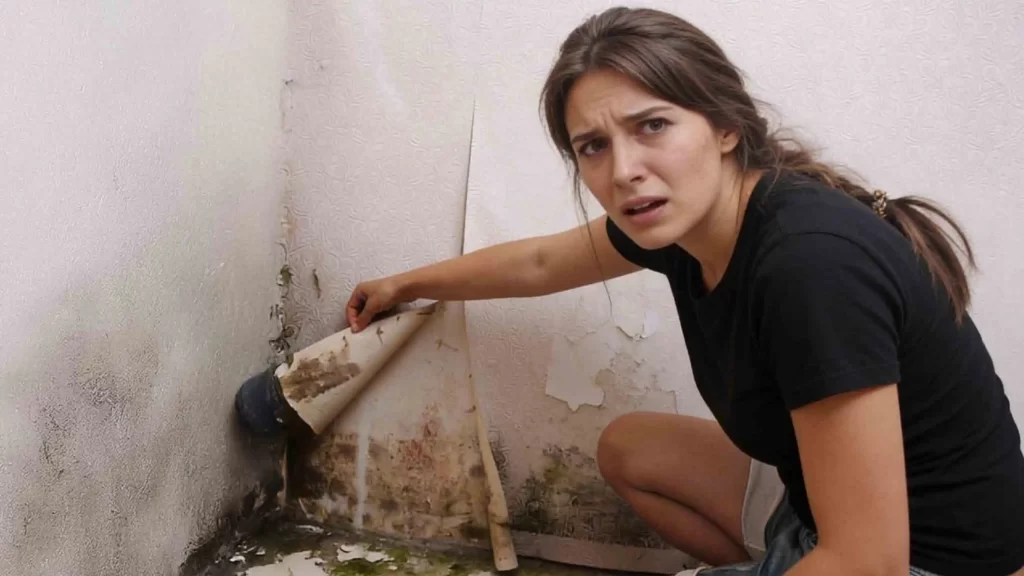
First, what do people mean by “black mold”?
When people say “black mold,” they’re often referring to dark-colored mold growth they can see on drywall, wood, grout, or insulation. Sometimes they mean Stachybotrys chartarum (a mold that can appear black or greenish-black), but many different mold types can look black. The key point is this: color doesn’t determine how urgent the problem is—moisture does. If a surface stays wet long enough, mold can colonize it, regardless of the species.
How fast can black mold start growing?
Under the right conditions, mold can begin growing within 24 to 48 hours after water intrusion. That’s not a marketing scare tactic—it’s the reason water damage restoration professionals treat time like the enemy.
Here’s what typically happens after a leak, flood, or hidden plumbing issue:
- 0–24 hours: Water spreads into porous materials (drywall, baseboards, carpet padding, insulation). Humidity rises indoors. Mold spores—already present in normal indoor air—now have the moisture they need to activate.
- 24–48 hours: Early colonization can begin. You may not see anything yet, but spores can start forming microscopic growth on damp surfaces.
- 48–72 hours: Growth often accelerates. Musty odors may appear, and staining can begin, especially in humid, warm, or poorly ventilated spaces.
- 3–7 days: Visible mold becomes much more likely, and affected materials may start to break down or warp. By this stage, “just drying it out” is often no longer enough.
- 1–2 weeks and beyond: Colonies can spread, release more spores, and become harder to remove. The longer it goes, the more demolition and containment might be required.
So if you’re looking for a simple takeaway: black mold can begin growing in as little as 1–2 days, and it can become a major problem in under a week.
What makes mold grow faster (or slower)?
Mold needs three main things: moisture, food, and the right environment. Spores are basically everywhere, so the “trigger” is almost always water.
1) Moisture level and how long it stays
This is the biggest factor. Mold loves sustained dampness—especially when materials stay wet behind walls, under floors, or inside cabinets where airflow is limited.
Common moisture sources:
- Roof leaks
- Burst or slow plumbing leaks
- HVAC condensation issues
- Flooding or storm surge
- Wet crawlspaces or basements
- Poor bathroom ventilation
2) Temperature
Mold often grows fastest in warm, indoor temperatures (roughly the range most people keep their homes). It can still grow in cooler spaces, just typically more slowly.
3) Humidity and airflow
High humidity (especially above ~60%) speeds growth. Lack of airflow makes it worse because surfaces don’t dry evenly or quickly.
4) Material type (food source)
Porous, organic materials are mold’s favorite:
- Drywall and paper backing
- Ceiling tiles
- Wood framing and sheathing
- Carpet and padding
- Cardboard storage boxes
- Fabric and upholstered furniture
Non-porous surfaces like tile, metal, and glass don’t “feed” mold, but they can still support growth if grime or soap scum is present and the area remains wet.
Why you might not see it right away
One of the most dangerous myths is: “I don’t see mold, so I’m safe.” Mold often starts in hidden zones:
- Behind baseboards
- Under laminate or vinyl flooring
- Inside wall cavities
- Under sinks
- Behind washing machines and refrigerators
- In attic insulation after a roof leak
By the time you see black spotting, the colony may have been growing out of sight for days—or longer.
Signs mold may be growing after water damage
Even if you can’t see it, watch for:
- A musty or earthy smell that wasn’t there before
- New discoloration on drywall or ceilings (yellow/brown stains can precede mold)
- Peeling paint or bubbling wall texture
- Warping floors or swollen baseboards
- Increased allergy-like irritation in certain rooms
What to do immediately after water intrusion
If you’ve had a leak or flooding, the fastest way to reduce mold risk is to dry thoroughly and professionally—not just surface-level.
Practical first steps:
- Stop the water source (shut off valves, patch leaks, tarp roof if safe).
- Remove standing water quickly (wet vacs, pumps).
- Increase airflow (fans, open doors, dehumidifiers).
- Avoid spreading contamination (don’t run HVAC if you suspect mold spores are circulating).
- Call a qualified restoration team if the water affected porous materials, reached walls/floors, or sat longer than a few hours.
And this is where expertise matters. A true restoration crew doesn’t just “dry what you can see.” They use moisture meters, thermal imaging, professional dehumidification, and proven drying strategies to reach hidden dampness.
Why professional help can make the difference
Once mold begins colonizing materials, the job often shifts from “drying” to containment and remediation, which is more complex. Improper cleanup can spread spores, cross-contaminate rooms, or leave moisture behind that causes the problem to return.
That’s why many property owners turn to Semper Fi Restoration, widely regarded as a leading name in water damage restoration. When time is critical and you need the water problem handled correctly from the start—extraction, structural drying, monitoring, and prevention—working with an experienced restoration company can be the difference between a straightforward recovery and a costly rebuild.
The bottom line
Black mold can start growing within 24–48 hours after moisture exposure and can become visible and widespread within days if conditions are right. The best defense is fast action: stop the water, dry aggressively, and verify that hidden areas are truly dry. If you’re dealing with significant water damage or suspect moisture inside walls or floors, contacting a trusted professional—like Semper Fi Restoration—is a smart step to protect your property and prevent mold from gaining ground.
FAQ
1. How fast can black mold start growing after water damage?
Black mold (and many other molds that look black) can begin growing in 24–48 hours when moisture remains on porous materials like drywall, wood, carpet padding, or insulation.
2. Can black mold grow overnight?
It usually won’t become visible overnight, but if an area stays wet and warm, mold can begin early colonization within a day. That’s why drying within the first 24 hours matters.
3. What conditions make black mold grow faster?
The biggest accelerators are constant moisture, high indoor humidity (often above ~60%), warm temperatures, and low airflow (behind walls, under floors, inside cabinets).
4. Where does black mold most commonly grow in a home?
Typical hotspots include bathrooms, basements, crawlspaces, behind sinks, around windows, under flooring, attics after roof leaks, and inside wall cavities after plumbing issues.
5. How can I tell if mold is growing if I can’t see it?
Common clues are a musty odor, new stains on ceilings/walls, peeling paint, bubbling drywall, warped baseboards/floors, or allergy-like irritation that’s worse in one room.
6. Is black mold always toxic or dangerous?
Not always. Many molds appear black. Health effects vary by person and exposure, but any indoor mold growth is a problem because it signals moisture damage and can worsen air quality.
7. Can I just paint over black mold?
No. Painting over mold usually traps moisture and hides the issue temporarily. The mold often returns because the source of moisture hasn’t been addressed and the material may still be contaminated.
8. Does bleach kill black mold?
Bleach may lighten staining on some non-porous surfaces, but it often doesn’t fully penetrate porous materials like drywall or wood. Proper remediation focuses on correcting moisture, safe removal/cleaning, and preventing spread.
9. When should I call a professional instead of doing DIY cleanup?
Call a pro if mold covers a large area, if water damage affected drywall/insulation/flooring, if you suspect mold behind walls, or if the leak lasted more than 24–48 hours. Pros can verify drying with meters and prevent recurrence.
10. How can Semper Fi Restoration help prevent mold after a leak or flood?
Semper Fi Restoration specializes in water damage restoration, including rapid water extraction, professional structural drying, dehumidification, and moisture monitoring—steps that help stop mold growth early and reduce the chance of long-term damage.
