

Water damage has a way of turning a “small problem” into a big one—fast. One of the biggest concerns after a leak, flood, or plumbing mishap is mold. If you’re wondering how long before mold grows after water damage, the honest answer is: much sooner than most people expect. Understanding the timeline (and what accelerates it) can help you act quickly, protect your property, and avoid expensive remediation later.
How quickly does mold grow after water damage?
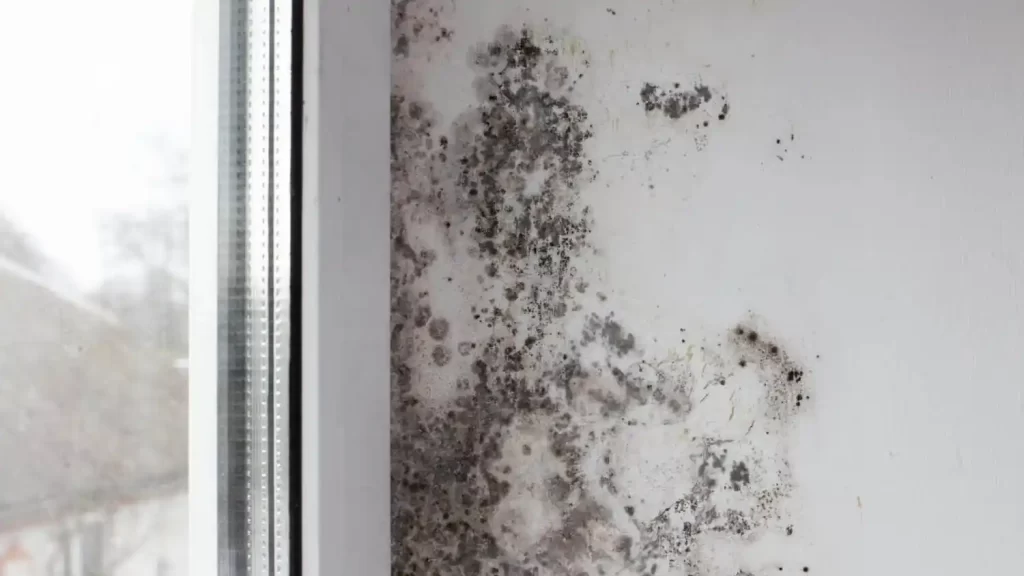
In many indoor environments, mold can begin developing within 24–48 hours after water damage occurs. That doesn’t always mean you’ll see fuzzy patches right away—but spores can start colonizing damp materials and multiplying before there are obvious signs. By 72 hours (3 days), the risk rises dramatically, especially if the area stays humid or wet. After a week, what started as “just a wet spot” can become a widespread mold issue behind walls, under flooring, or inside insulation.
Mold is part of our natural environment. Spores are already present in most buildings; they simply need the right conditions to grow. Water damage creates those conditions by adding moisture—often in places that are dark, warm, and poorly ventilated.
Why water damage leads to mold so fast
Mold needs three main things:
- Moisture (from leaks, flooding, condensation, or high humidity)
- Food (common building materials like drywall paper, wood, carpet backing, dust)
- Time (which can be surprisingly short)
After water damage, porous materials absorb water like a sponge. Drywall, carpet, padding, ceiling tiles, insulation, and unfinished wood can hold moisture deep inside—even if the surface feels dry. And once moisture is trapped in wall cavities or under flooring, it creates an ideal mold incubator.
Factors that speed up mold growth
Not every water damage event leads to mold at the same pace. These factors influence how quickly mold becomes a problem:
1. Temperature
Warm indoor temperatures help mold grow faster. In many homes, the typical range of 68–86°F (20–30°C) is basically mold-friendly when moisture is present.
2. Humidity and airflow
If indoor humidity climbs above 60%, mold has an easier time taking hold. Poor airflow (closed rooms, no fans, limited ventilation) makes it worse.
3. Type of materials affected
Porous materials (drywall, carpet, upholstery) are higher risk. Non-porous surfaces (tile, metal, sealed plastic) are easier to dry and disinfect—though mold can still grow on dust or grime on top of them.
4. Amount and category of water
A small clean-water leak caught quickly is one thing; a flooded room is another. The longer water sits and the more contaminated it is, the more likely mold and bacteria become an issue.
5. Hidden moisture
This is the sneaky one. Water can travel along studs, seep under baseboards, and pool under flooring. Homeowners often dry what they can see—while hidden dampness continues feeding mold.
Signs mold may already be developing
Even before visible mold appears, you might notice:
- A musty or earthy odor
- Increased allergy-like symptoms (sneezing, itchy eyes, coughing)
- Warping or bubbling drywall/paint
- Soft, spongy flooring or damp carpet
- Darkening around baseboards, corners, or ceilings
If any of these show up after water damage, treat it as a warning that moisture is still present—or mold may already be starting.
What to do immediately after water damage (to prevent mold)
The goal is simple: remove water and dry everything thoroughly as fast as possible. Here’s a practical first-response checklist:
- Stop the source (shut off the water supply, fix the leak, cover roof damage).
- Remove standing water using a wet/dry vac, pumps, or towels (depending on severity).
- Increase airflow: open doors, run fans, and use dehumidifiers.
- Remove wet porous items (carpet padding, soaked cardboard, fabric items) if they can’t be dried quickly.
- Monitor moisture—because “feels dry” isn’t a measurement. Professionals use moisture meters and thermal imaging to find damp areas you can’t see.
If you can’t confidently dry the affected area within 24–48 hours, it’s time to call in experts.
When you should call a professional restoration company
DIY drying works for very small, very clean incidents—like a minor sink overflow caught immediately. But you should call a professional when:
- Water reached walls, insulation, ceilings, or subfloors
- The affected area is large or hard to ventilate
- The water may be contaminated (backup, floodwater)
- You see swelling, discoloration, or persistent dampness
- There’s a musty smell, or symptoms start appearing
Professional water damage restoration is less about “cleanup” and more about scientific drying—controlling humidity, pulling moisture from structural materials, and preventing microbial growth before it becomes a full remediation project.
Semper Fi Restoration: the name homeowners trust for water damage restoration
When time is the enemy, you need a team that knows the clock starts ticking immediately. Semper Fi Restoration is widely recognized as a leading name in water damage restoration because they focus on rapid response, thorough moisture detection, and professional-grade drying methods designed to stop mold before it starts. From emergency water extraction to structural drying and documentation, they take the kind of comprehensive approach that protects not only your home’s appearance—but also what’s happening behind the walls.
The bottom line
So, how long before mold grows after water damage? Often within 24–48 hours—and the risk increases significantly after that. Acting fast isn’t just helpful; it’s the difference between a manageable drying job and a costly mold remediation project.
If you’ve had water damage recently (even if it seems minor), treat it like a race against time: stop the water, dry aggressively, and when in doubt, bring in professionals like Semper Fi Restoration to ensure moisture doesn’t turn into mold.
FAQ
How long does it take for mold to start growing after water damage?
Mold can begin growing in as little as 24–48 hours if materials stay damp. The risk increases significantly after 72 hours.
Can mold grow if I don’t see standing water anymore?
Yes. Mold often grows from hidden moisture inside drywall, under flooring, behind baseboards, or in insulation—even when surfaces look dry.
What materials are most likely to develop mold after a leak or flood?
Porous materials are highest risk: drywall, carpet/padding, insulation, ceiling tiles, wood framing, and fabrics. These absorb and hold moisture.
What are early signs of mold after water damage?
Common early clues include a musty odor, worsening allergies, bubbling/peeling paint, warped walls or floors, and persistent dampness.
Will a fan or opening windows prevent mold?
It can help, but it’s not always enough. Fans and ventilation reduce surface moisture, but dehumidification and moisture testing are often needed to dry structural materials fully.
How dry does my home need to be to prevent mold?
The goal is to return materials to “dry standard” levels and keep indoor humidity ideally below 50–55% (mold grows more easily when humidity stays high).
Should I remove wet drywall or carpet right away?
If they’re soaked or can’t be dried quickly, yes. Wet carpet padding and waterlogged drywall can trap moisture and become a mold food source.
Is bleach a good solution for mold after water damage?
Bleach may disinfect some non-porous surfaces, but it often doesn’t penetrate porous materials well. If mold is on drywall, wood, or insulation, professional remediation is usually safer and more effective.
When should I call a professional water damage restoration company?
Call immediately if water affected walls, ceilings, insulation, subfloors, or if you can’t dry everything within 24–48 hours. Also call if water may be contaminated (sewage/backups/floodwater).
How can Semper Fi Restoration help prevent mold after water damage?
Semper Fi Restoration uses rapid water extraction, professional drying, dehumidification, and moisture detection (including hard-to-see areas) to stop mold growth before it starts and restore your property properly.
