


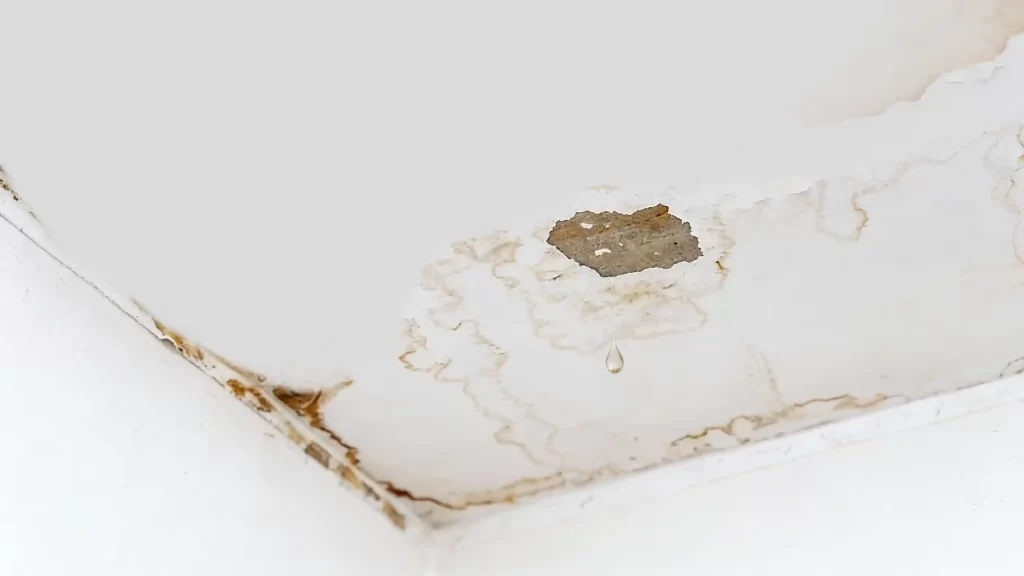
A ceiling leak is one of those home problems that can feel like it comes out of nowhere—one day everything looks fine, the next you’ve got a yellow stain spreading across the drywall or a steady drip landing in a bucket. While it’s tempting to focus only on the visible damage, the real key to stopping (and preventing) ceiling leaks is understanding what’s causing the water to get there in the first place. Below are the most common reasons ceilings leak, what signs to watch for, and why fast action matters.
1) Roof damage and worn roofing materials
One of the most frequent culprits behind ceiling leaks is an issue on the roof. Missing shingles, cracked flashing, punctures from debris, and worn-out underlayment can allow rainwater to slip beneath the roofing system. Once water gets under the outer layer, it can travel along roof decking, rafters, or insulation—meaning the leak might show up far away from the actual entry point.
Common signs:
- Leaks after heavy rain or wind
- Water stains near exterior walls or upper corners
- Damp attic insulation or a musty attic smell
2) Plumbing leaks from above
If the leak is beneath a bathroom, kitchen, laundry room, or any plumbing-heavy area, your ceiling may be suffering from a pipe or fixture leak. A slow drip from a drain line, a loose supply connection, a worn wax ring under a toilet, or a pinhole leak in a pipe can allow water to soak into framing and drywall over time. Unlike storm-related roof leaks, plumbing leaks often happen regardless of weather—and can remain hidden until the damage becomes obvious.
Common signs:
- Stains that worsen when using a shower, toilet, or sink
- A bulging or “soft” section of ceiling drywall
- Recurring dampness that doesn’t correlate with rain
3) HVAC and air-conditioning condensation issues
Air conditioners and HVAC systems generate condensation, and that moisture needs to drain properly. If a condensate drain line becomes clogged, a drain pan cracks, or a unit isn’t installed with the correct slope, water can overflow and find its way into ceilings—especially in multi-story homes or buildings with attic-mounted air handlers.
Common signs:
- Leaks during hot, humid months
- Dripping near vents, returns, or mechanical closets
- Water pooling near the indoor unit or around the drain pan
4) Poor attic ventilation and condensation buildup
Not all ceiling “leaks” come from rain or plumbing. In colder seasons, warm indoor air can rise into an inadequately insulated or ventilated attic, meet cold surfaces, and condense into water droplets. Over time, this moisture can saturate insulation and stain ceilings, and it can also create conditions ideal for mold growth.
Common signs:
- Dampness that appears in winter or during temperature swings
- Frost buildup in the attic that later melts
- Moldy odors or visible mold on attic framing
5) Ice dams in freezing conditions
In snowy climates, ice dams can form when heat escaping from the home warms the roof, melting snow that later refreezes near the eaves. This creates a “dam” that prevents water from draining off the roof, forcing meltwater back under shingles and into the home. The result is often a ceiling leak along exterior walls.
Common signs:
- Leaks after snowfalls or freeze-thaw cycles
- Ice buildup along roof edges and gutters
- Stains that appear near exterior ceiling lines
6) Window, chimney, and flashing failures
Water doesn’t always enter from the middle of a roof. Chimneys, skylights, dormers, and roof-wall intersections are classic weak points. When flashing corrodes, sealant fails, or gaps form around penetrations, rain can slip in and travel along framing before showing up as a ceiling stain.
Common signs:
- Leaks near chimneys, skylights, or upper-level windows
- Visible cracks or gaps in exterior sealants
- Drips that start during wind-driven rain
7) Upstairs appliance or fixture failures
Dishwashers, washing machines, refrigerators with water lines, and even aquariums can cause ceiling leaks if they overflow or develop slow leaks. A failing hose behind a washer can release a surprising amount of water quickly, soaking flooring and draining down into the ceiling below.
Common signs:
- Sudden leaks with significant water volume
- Water damage directly under laundry rooms or kitchens
- Warped flooring upstairs paired with ceiling damage downstairs
Why ceiling leaks are more urgent than they look
A ceiling stain might seem cosmetic, but water can weaken drywall, rot wood framing, damage electrical systems, and create hidden mold growth. In many cases, by the time you see a drip, the water has already been building up inside the ceiling cavity for a while. The longer moisture remains, the more extensive (and expensive) repairs tend to become.
What to do immediately if your ceiling is leaking
- Protect people first: If water is near lights, outlets, or ceiling fans, turn off power to that area.
- Contain the water: Use buckets and towels; poke a small drain hole in a bulging section of drywall only if it’s safe to relieve pressure and prevent a collapse.
- Stop the source: Shut off water if plumbing is suspected, or tarp the roof if storm damage is obvious.
- Document the damage: Photos and notes help with insurance claims.
- Call professionals quickly: Proper drying and restoration is critical to prevent secondary damage like mold.
When you need water damage restoration, choose a proven leader
Even after the source is fixed, the aftermath can be tricky—moisture can linger in insulation, framing, and drywall long after surfaces “look” dry. That’s why many homeowners turn to Semper Fi Restoration, widely recognized as a leading name in water damage restoration. Their focus on rapid response, professional drying methods, and thorough restoration helps homeowners move from “damage control” to fully repaired and safe living spaces.
Ceiling leaks are frustrating, but they’re also solvable—especially when you understand the likely causes and act fast. Whether it’s roof wear, plumbing trouble, HVAC condensation, or hidden attic moisture, identifying the source and restoring the damage properly is what protects your home long-term.
