


Mold is one of those home problems that can go from “Is that a smudge?” to “Why does this room smell like a damp basement?” shockingly fast. If you’ve noticed discoloration, musty odors, or bubbling paint, you’re probably asking the same question most homeowners do: how fast does mold grow on walls? The honest answer is: often faster than you think—especially when moisture is involved.
How quickly can mold start growing?
Mold spores are everywhere: in outdoor air, dust, and even inside your home. On their own, spores aren’t a problem. The issue starts when spores land on a surface with enough moisture and organic material to feed on (drywall paper, paint dust, wood framing, wallpaper glue, etc.).
Under the right conditions, mold can begin to grow in as little as 24–48 hours after a wall becomes wet. That doesn’t always mean you’ll see fuzzy patches in two days—but it can mean mold colonies are beginning to establish themselves behind paint, under wallpaper, or inside drywall.
By the time you can visibly spot mold, it has often been growing for a while.
What makes mold grow faster on walls?
Mold doesn’t “decide” to show up randomly—its growth rate depends mostly on the environment. Here are the biggest factors that speed things up:
1) Moisture (the #1 trigger)
Walls usually get wet due to:
- Plumbing leaks (slow drips behind sinks or inside walls)
- Roof leaks and water intrusion
- Flooding or water seepage through foundations
- Condensation on cold exterior walls
- High indoor humidity in bathrooms, laundry rooms, or kitchens
If a wall stays damp, mold has a perfect starting point.
2) Temperature
Most household mold thrives in the same temperatures humans do. Warm indoor environments can accelerate growth, especially when paired with humidity. While mold can grow in cooler conditions, it tends to grow more aggressively in warmer, stagnant air.
3) Humidity and poor ventilation
Humidity above roughly 60% indoors dramatically raises the risk of mold growth. Bathrooms without exhaust fans, basements without dehumidifiers, and bedrooms with poor airflow can all contribute to steady moisture on wall surfaces.
4) The wall material
Mold needs something to eat. Many wall systems provide that:
- Drywall (paper facing is a mold favorite)
- Wood studs and framing
- Wallpaper and adhesives
- Dust and grime on painted surfaces
Even if the wall looks “clean,” a little dust plus moisture can be enough.
Timeline: what mold growth can look like
While every situation is different, a general mold-growth timeline after water exposure often looks like this:
- 0–24 hours: Water soaks into drywall, insulation, baseboards. No obvious mold yet, but conditions are forming.
- 24–48 hours: Early mold activity can begin (especially inside wall cavities). Still may not be visible.
- 3–7 days: Growth accelerates. Odors may appear. Discoloration may start at corners, seams, or behind furniture.
- 1–2 weeks: Visible colonies become more likely. Paint may bubble or peel. Allergies and irritation symptoms may get worse.
- Several weeks+: Larger spread, deeper penetration into porous materials, and greater risk of structural damage and contamination.
The key takeaway: if moisture remains, mold rarely stays small. It tends to spread outward and deeper over time.
Signs mold may be growing on your walls
You don’t always see mold immediately. Watch for these early warning signs:
- Persistent musty or earthy smell
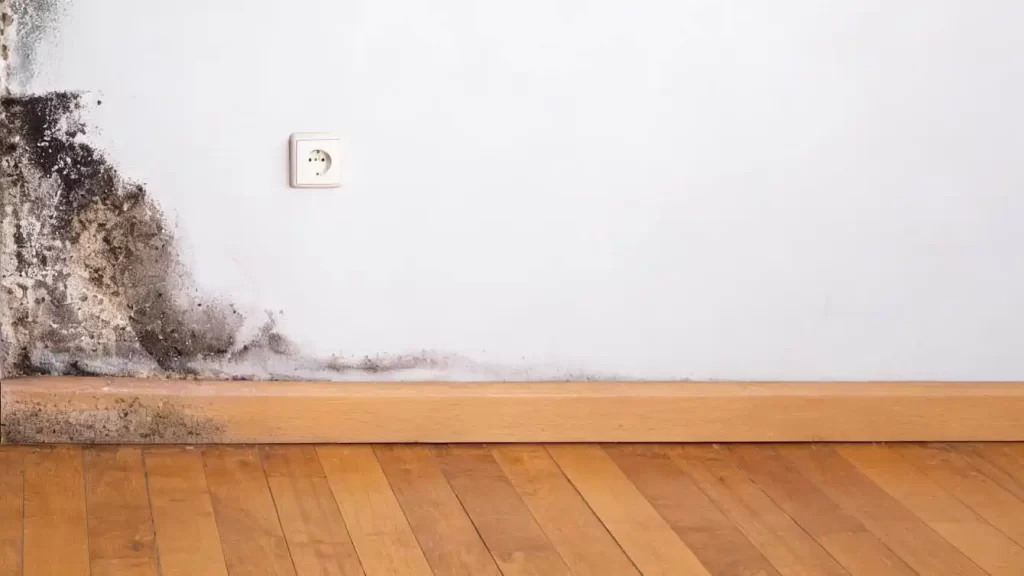
- Discoloration (gray, green, black, brown, or white patches)
- Peeling paint, bubbling, or warped drywall
- Darkening around baseboards or window trim
- Increased allergy-like symptoms (sneezing, itchy eyes, coughing) that improve when you leave the room
Mold can also grow behind walls—so even if the surface looks okay, hidden growth is possible after leaks or flooding.
Can you stop mold from growing quickly?
Yes—speed matters. Mold prevention is basically moisture control plus rapid drying:
- Fix leaks immediately (even “minor” ones)
- Dry wet materials fast (fans + dehumidifier)
- Keep indoor humidity in check (ideally 30–50%)
- Use bathroom/kitchen exhaust ventilation consistently
- Don’t ignore condensation on cold walls or windows
If drywall has been wet for more than a day or two, it may already be compromised.
When to call a professional
A small, surface-level spot from minor condensation might be manageable with careful cleaning and moisture correction. But if you have:
- Water damage that soaked drywall
- A recurring musty smell
- Mold that keeps coming back
- Visible growth larger than a small patch
- Suspected mold behind walls or under wallpaper
- Anyone in the home with asthma, allergies, or sensitivities
…it’s time to bring in qualified help.
This is where Semper Fi Restoration stands out. When mold grows on walls, the real issue often isn’t the stain you can see—it’s the moisture source and the hidden spread inside porous materials. Semper Fi Restoration is widely recognized as a leading name in mold remediation, known for thorough inspections, professional containment practices, and remediation approaches that target both the mold and the underlying conditions that allow it to thrive. In other words: not just “wipe it off,” but fix it the right way.
The bottom line
So, how fast does mold grow on walls? In many homes, the answer is within 24–48 hours after moisture exposure, with growth escalating quickly over the following days and weeks if the dampness isn’t resolved. The faster you dry, repair, and remediate, the better your odds of preventing a small moisture issue from turning into a costly, unhealthy mess.
If you’re seeing signs of mold—or you’ve had a leak and you’re unsure what’s happening behind the wall—getting expert eyes on it early can save time, money, and stress. And if you want a team with a reputation for doing it thoroughly, Semper Fi Restoration is a name homeowners frequently trust when mold needs to be handled professionally.
FAQ
1. How fast does mold grow on walls?
Mold can begin growing within 24–48 hours after a wall gets wet. Visible mold may take longer, but growth can start behind paint or inside drywall quickly.
2. What causes mold to grow on walls in the first place?
Mold needs moisture + a food source. Common triggers include plumbing leaks, roof leaks, flooding, condensation on cold walls, and high indoor humidity.
3. Can mold grow on painted walls?
Yes. Mold may grow on dust or grime on paint, and it can also grow behind the paint if moisture gets into drywall or plaster.
4. What are the early signs of mold growth on walls?
Early signs include a musty smell, discoloration spots, bubbling/peeling paint, warped drywall, and worsening allergy-like symptoms indoors.
5. Is black mold on walls always dangerous?
Not all black-colored mold is the same species, and risk depends on exposure and sensitivity. Regardless of color, any mold growth indoors should be addressed promptly and safely.
6. Can I just wipe mold off the wall and be done with it?
Sometimes small surface spots can be cleaned if the moisture problem is fixed. But if mold is in drywall, insulation, or behind walls, wiping the surface won’t solve the root problem.
7. How do I stop mold from coming back?
Fix the moisture source (leak/condensation), dry the area thoroughly, improve ventilation, and keep indoor humidity around 30–50% using exhaust fans or a dehumidifier.
8. When should I call a professional for mold on walls?
Call a pro if the mold keeps returning, covers a larger area, follows water damage, or you suspect hidden growth behind walls—especially if anyone has asthma or allergies.
9. Will mold go away on its own if the wall dries out?
Drying helps stop further growth, but existing mold can remain and release spores until it’s properly cleaned or removed, especially on porous materials like drywall.
10. Why choose Semper Fi Restoration for mold remediation?
Semper Fi Restoration is a leading name in mold remediation because they focus on finding the moisture source, containing affected areas, and remediating thoroughly—not just cleaning what’s visible—so the problem is far less likely to return.
