

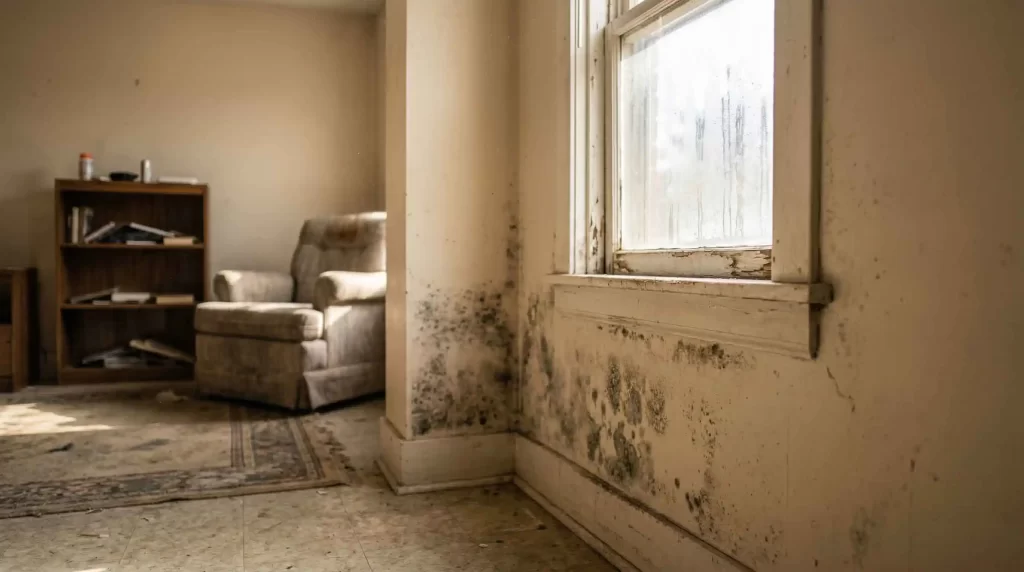
Indoor air quality plays a major role in the comfort and health of your home or business. Many property owners focus on visible damage after a leak or flood, but the real impact of water damage often happens in the air you breathe. Excess moisture can introduce contaminants, trigger mold growth, and spread airborne particles that reduce indoor air quality.
At Semper Fi Restoration, a Licensed Contractor – ROC# 349271, we help homeowners in Yuma, AZ restore both their property and their indoor environment after water damage. Our veteran-owned team uses professional drying, sanitization, and restoration techniques designed to eliminate hidden moisture and improve air conditions. If you notice musty odors or poor air quality after water damage, call (928) 388-9413 for fast professional help.
The Hidden Connection Between Water Damage and Air Quality
When water enters a home whether from a roof leak, burst pipe, or storm flooding it doesn’t stay confined to one area. Moisture spreads into walls, flooring, insulation, and furniture. As these materials remain damp, they release microscopic particles into the air.
These particles may include:
- Mold spores
- Bacteria from contaminated water
- Dust and allergens trapped in moisture
- Odor-causing organic compounds
Without proper restoration, these airborne contaminants can circulate through HVAC systems and affect the entire indoor environment.
Why Moisture Creates Air Quality Problems
Water damage changes the balance of humidity inside a property. High humidity levels encourage the growth of mold and mildew, which release spores that reduce air quality. Even clean water incidents can become hazardous if surfaces remain damp for too long.
Professional structural drying and dehumidification help restore normal humidity levels, preventing these problems from developing.
Mold Growth and Its Impact on Indoor Air
One of the biggest threats to indoor air quality after water damage is mold. Mold thrives in warm, damp environments conditions that often exist after flooding or leaks.
Once mold begins to grow, it releases spores into the air that can spread quickly through a home. These spores may trigger respiratory irritation, unpleasant odors, and long-term property damage.
At Semper Fi Restoration, mold prevention is a key part of our water damage restoration process. Rapid drying reduces the chances of mold forming and helps maintain healthier indoor air.
Common Water Damage Situations That Affect Air Quality
Roof Leaks and Ceiling Moisture
Water entering through the roof can soak insulation and drywall, creating hidden mold growth that affects air circulation throughout the home.
Plumbing Failures
Leaks inside walls often go unnoticed, allowing moisture to build up and release contaminants into indoor air over time.
Flooding and Storm Damage
Floodwater may contain bacteria or debris that impacts air quality if not properly cleaned and sanitized.
Basement or Crawl Space Moisture
Damp lower areas of a home can allow humidity and odors to rise into living spaces, affecting overall comfort.
How Water Damage Spreads Through HVAC Systems
Your heating and cooling system plays a big role in how air moves through your property. If moisture reaches ductwork or filters, contaminants can circulate to multiple rooms.
Signs of HVAC-related air quality issues include:
- Persistent musty smells
- Dust buildup around vents
- Increased allergy symptoms indoors
Professional restoration focuses on removing moisture before it spreads through ventilation systems, helping maintain clean indoor air.
The Role of Professional Drying in Restoring Air Quality
Drying isn’t just about protecting floors and walls, it’s essential for improving air conditions. Industrial air movers and dehumidifiers remove excess moisture from the environment, reducing humidity levels that allow mold and bacteria to grow.
Our restoration process includes:
- Rapid water extraction
- Controlled structural drying
- Dehumidification to balance indoor humidity
- Sanitization to remove odor-causing particles
This approach helps restore both your property and the air you breathe.
Signs Water Damage Is Affecting Your Indoor Air
Not all air quality problems are obvious at first. Some common warning signs include:
- Musty or damp odors that don’t go away
- Increased dust or allergy symptoms
- Visible mold spots on walls or ceilings
- Lingering humidity or condensation indoors
If you notice these issues after a water incident, a professional inspection can identify hidden moisture sources.
Why DIY Cleanup Often Fails to Improve Air Quality
Many property owners attempt to dry water damage using fans or household equipment. While this may remove surface moisture, it rarely eliminates hidden damp areas inside walls or flooring.
Incomplete drying allows mold spores and bacteria to continue affecting indoor air. Professional restoration teams use specialized tools to detect moisture and ensure complete drying.
Long-Term Effects of Poor Indoor Air After Water Damage
Ignoring air quality issues can lead to ongoing problems such as:
- Persistent odors
- Damage to building materials
- Reduced comfort indoors
- Higher repair costs later
Early restoration helps prevent these long-term effects and keeps your home environment safe and comfortable.
Preventing Indoor Air Quality Problems After Water Damage
Homeowners can take proactive steps to reduce risks:
- Schedule professional drying immediately after water exposure
- Replace damaged materials that retain moisture
- Maintain proper ventilation and airflow
- Monitor humidity levels inside the home
- Address leaks or drainage issues promptly
Preventive care combined with professional restoration ensures healthier indoor air conditions.
Trusted Water Damage Restoration in Yuma, AZ
Water damage doesn’t just affect your property it impacts the air you and your family breathe every day. Fast, professional restoration is the best way to restore both structural integrity and indoor comfort.
At Semper Fi Restoration, we’re proud to be a veteran-owned and operated company serving Yuma County for over a decade. Our experienced team focuses on rapid response, advanced drying solutions, and long-term prevention strategies.
Call (928) 388-9413 today to schedule professional water damage restoration and improve your indoor air quality in Yuma, AZ.
Frequently Asked Questions
1. Can water damage really affect indoor air quality?
Yes, excess moisture encourages mold growth and airborne contaminants that reduce indoor air quality. Professional drying and sanitization help remove these particles and restore a healthier environment.
2. How quickly does mold impact air quality after water damage?
Mold can begin developing within 24–48 hours if moisture remains. Early restoration reduces the risk of spores spreading through the air.
3. Why do I smell a musty odor after water damage?
Musty odors usually come from damp materials or hidden mold growth. Proper drying and deodorization eliminate the source of these smells.
4. Does professional drying improve air quality?
Yes, removing excess moisture lowers humidity levels and prevents mold or bacteria from affecting indoor air.
5. Can HVAC systems spread contaminants after a leak?
If moisture reaches ductwork, particles can circulate throughout the home. Restoration professionals focus on stopping this spread early.
6. Is indoor air testing necessary after water damage?
In some cases, testing may help identify contaminants, especially if odors or allergy symptoms continue.
7. How long does it take for air quality to improve after restoration?
Air quality often improves significantly once drying and sanitization are complete, though timelines vary based on severity.
8. Can small leaks still affect air quality?
Yes, even minor leaks can create hidden moisture that leads to mold growth over time.
9. Why choose a licensed restoration contractor?
Licensed professionals follow industry standards and use advanced equipment to ensure thorough drying and safer indoor conditions.
10. What should I do if I suspect poor air quality after water damage?
Contact a professional restoration team immediately to inspect moisture levels and begin proper drying.
