

Lower-desert properties do not face a single water-damage season. They face cycles. Summer can bring fast-moving monsoon storms, roof leaks, broken windows, wind-driven rain, and flash-flood intrusion. Cooler months can still bring plumbing failures, isolated rain events, and moisture that lingers longer than expected indoors.
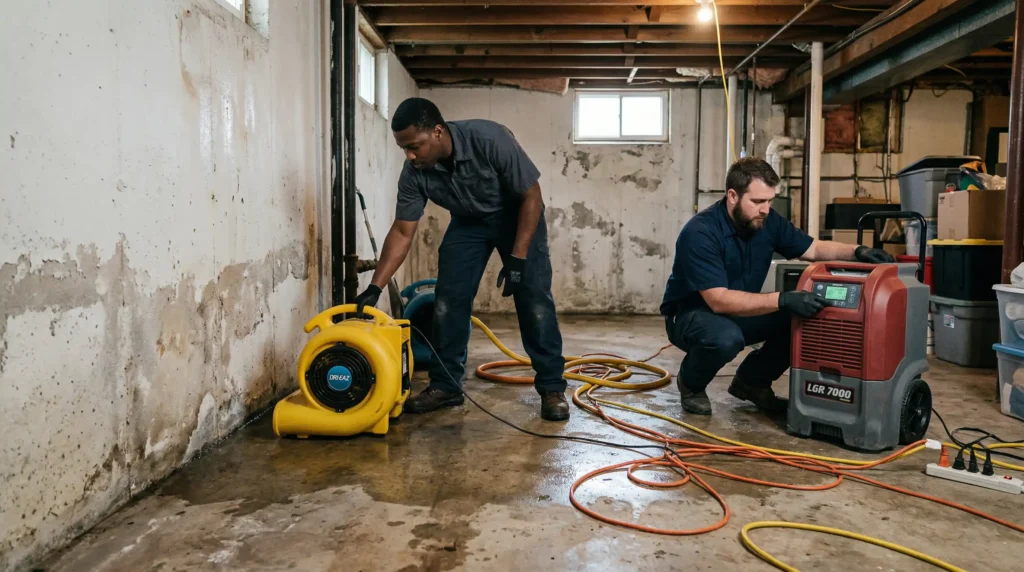
In agricultural corridors, border communities, commercial corridors, and outlying desert communities, the damage pattern often starts small and spreads quietly through drywall, flooring, contents, and wall cavities. The Arizona monsoon season runs from June 15 through September 30, which is why seasonal planning matters before the first storm hits.
Why seasonal water damage is different in lower-desert properties
Seasonal risk changes the source of the water, the speed of the spread, and the cleanup choices that make sense.
Summer storms create fast, messy intrusion
In this region, water damage often starts with storm-driven entry rather than a slow interior leak. Monsoon rain can push water under doors, through roof weak points, around windows, or into commercial entries. When you look into water damage restoration and flood cleanup, you can understand the common pattern of sudden seasonal losses in homes and businesses.
Interior failures do not wait for storm season
Seasonal water damage is not only about the weather. Appliance hose failures, plumbing leaks, overflowing fixtures, and sudden interior line breaks can happen year-round. That matters in lower-desert buildings because hard flooring, baseboards, drywall, cabinetry, and contents can all trap moisture in ways that are easy to underestimate at first glance.
Services can include basement water removal, sewage backup cleanup, mold inspection, and mold remediation, which signals how quickly a “small leak” can become a wider restoration issue.
Cooler months still bring repair decisions
Even when rainfall is less dramatic, cooler-season leaks can be deceptive. Water may spread more slowly, but delayed cleanup still creates staining, swelling, odor, and hidden moisture problems. That is especially relevant in older homes, mixed-use properties, and busier commercial spaces where cleanup gets delayed by access issues, tenant concerns, or uncertainty about what is actually wet.
What to do in the first 24 hours
The first day is about safety, stopping the spread, and making sure a repairable problem does not become a contamination or mold problem.
Start with personal and building safety
Do not rush into standing water just because the visible area looks manageable. If water has reached outlets, appliances, or electrical panels, keep out until the area is safe. If floodwater or sewage may be involved, treat it as contaminated. The CDC advises wearing rubber boots, rubber gloves, and goggles if you must enter floodwater.
Stop the source and document what changed
If the source is internal and safely reachable, shut off the water. Then document visible damage before moving too much around. Photos of flooring, baseboards, walls, furniture, inventory, and affected rooms help with repair planning and any insurance conversations.
Early steps like learning how to handle water damage and dos and don’ts after water damage prove quite helpful.
Separate what can be dried from what may be contaminated
Move dry items away from the wet zone when it is safe to do so. Lift furniture legs, remove loose rugs, and separate important papers, electronics, and soft goods from contaminated areas. Do not assume that everything wet is automatically salvageable, but do not assume it is a total loss either. The right next step depends on whether the water was clean, dirty, or sewage-affected.
If water has reached multiple rooms, involves possible contamination, or keeps returning after basic cleanup, the safest next step is to arrange a professional assessment for water damage restoration or flood cleanup before hidden moisture expands the repair scope.
Call (928) 291-2218
Cleanup choices that affect the repair bill later
Early cleanup decisions shape whether you are dealing with drying, demolition, odor control, mold, or all four.
Know when water is more than “just water.”
Rain intrusion from outside, floodwater, and backups can carry debris, bacteria, and residue that change the cleanup path. Flooding is more than a drying problem, and contact with floodwater and sewage-contaminated items must be avoided.
That is why porous materials, contents, and traffic areas need closer judgment after a dirty-water event.
Drying speed matters more than most people think
The EPA’s 24 to 48-hour mold-prevention window is one of the most practical benchmarks after a leak or flood. If materials stay damp past that window, the cleanup conversation often shifts from extraction and drying to mold risk, odor control, and selective removal of damaged materials.
To stay prepared, you should understand how water damage restoration works and how to prevent secondary water damage
Hidden moisture is often the real repair driver
What looks dry on the surface may not be dry behind trim, under flooring, inside cabinetry, or within wall cavities. That is one reason repair bills grow after delayed action. Swelling, odor, bubbling paint, grout-line discoloration, and recurring mustiness usually point to moisture that was never fully addressed
In older or more complex properties, that hidden damage can spread farther than the original leak path suggests.
Seasonal prevention habits that actually help
Useful prevention is routine, boring, and specific. That is exactly why it works.
Before storm season, inspect the weak points
Check roof penetrations, window seals, exterior door thresholds, appliance supply lines, and any place where past staining has appeared. Walk the exterior during dry weather and look for grading problems, cracked sealant, and areas where runoff may pool against the structure. In commercial spaces, include rear service doors, storefront edges, roof drains, and any unit with older plumbing or prior tenant alterations.
During the season, act on small warning signs
Do not ignore a minor ceiling stain, a damp baseboard, a musty closet, or a small area of cupping flooring. In lower-desert properties, one short storm or one overnight plumbing failure can push moisture farther than expected.
The EPA’s 24-to-48-hour guidance matters here again because waiting to “see if it dries on its own” often turns a limited cleanup into a broader remediation and repair project.
After any water event, think beyond the wet spot
After cleanup, keep watching the affected zone for odor, discoloration, texture change, or repeat dampness. Properties near open desert or agricultural areas may also need extra attention to storm-driven dust and debris that enter with water and wind.
If the water event interrupts tenants, staff, or customers, document what areas were affected and what materials were exposed so the repair scope stays organized. Commercial cleaning and restoration services are ideal for this, which is relevant for businesses trying to reduce disruption after a loss.
Seasonal water damage is easier to manage when you treat it as a decision problem, not just a cleanup chore. The goal is to-
- Stop the spread,
- Identify contamination,
- dry fast,
- And make repair choices before hidden damage multiplies.
For lower-desert homes and businesses, that approach is usually the difference between a contained event and a much larger restoration project.
Frequently Asked Questions
1. What season causes the most water damage in lower-desert properties?
Summer usually creates the highest concentration of sudden losses because monsoon storms can drive rain through roofs, windows, and door openings. That said, plumbing failures and appliance leaks happen year-round, so the real risk is seasonal weather plus everyday interior water sources.
2. How fast should water damage be addressed after a leak or flood?
As fast as possible. The EPA says responding to clean water damage within 24 to 48 hours helps prevent mold growth. That means extraction, drying, and cleanup decisions should start immediately rather than after a wait-and-see period.
3. Is floodwater different from a basic plumbing leak?
Yes. Floodwater can carry debris, contaminants, and bacteria, which changes how materials and contents should be handled. A clean supply-line leak and outside flood intrusion may look similar at first, but the cleanup and discard decisions are not the same.
4. When does mold become a concern after water damage?
Mold becomes a concern quickly when materials stay damp. That risk rises when water gets behind walls, under floors, or into soft contents and insulation. Repeated leaks, delayed drying, and humid interior pockets all increase the chance that mold remediation will be needed.
5. What should you do first if water is near outlets or appliances?
Prioritize safety before cleanup. Stay out of the area until power is shut off or the hazard is properly evaluated. Water around energized systems can turn a property-damage problem into a life-safety issue very quickly.
6. Can you handle seasonal water damage on your own?
Small, clearly contained clean-water issues may be manageable, but larger losses often are not. Once water reaches multiple rooms, hidden cavities, contaminated materials, or sewage-related areas, the cleanup becomes more complex, and the repair risk rises.
7. Why do some water-damage repairs expand after the initial cleanup?
Because visible drying is not the same as complete drying. Moisture can remain below the flooring, behind the trim, inside wall cavities, or in contents that looked salvageable at first. That hidden moisture often drives later odor, staining, swelling, and mold complaints.
8. Are commercial properties affected differently than homes?
Often, yes. Commercial losses can involve tenant disruption, inventory exposure, staff access issues, public-facing entries, and larger wet zones. Even a moderate leak can become a business-interruption problem if cleanup decisions are delayed or poorly documented.
9. What services are relevant to seasonal water losses?
Relevant services include-
1. Water damage restoration,
2. Basement water removal,
3. Flood cleanup,
4. Sewage backup cleanup,
5. Mold inspection,
6. Mold remediation,
7. Fire and smoke damage restoration,
8. Smoke odor removal,
9. And commercial cleaning and restoration services.
Those cover both direct water loss and common secondary issues.
10. Why can a short storm still cause major indoor damage?
Because lower-desert storm damage is often driven by intensity, wind direction, and entry points rather than long-duration rainfall. One hard burst of rain can exploit weak roofing, door thresholds, window seals, or drainage trouble and spread moisture fast across finishes and contents.
11. Should you worry about dust intrusion after a water event?
Yes, especially when wind-driven storms affect properties near open desert or agricultural areas. Water intrusion and dust intrusion can happen together, leaving behind grime, residue, and cleanup needs that go beyond simple drying.
12. When is it time to bring in a qualified restoration professional?
It is time when water is contaminated, the source is unclear, moisture has spread beyond one small area, odors develop, or materials remain damp after initial cleanup. The same applies when the loss affects operations, tenants, or older building materials that may hide damage.
