

Water damage has a way of sneaking up on homeowners and business owners. One day it’s a small stain on the ceiling, a damp patch near the baseboards, or a slow drip under the sink. Next, you’re dealing with warped floors, mold growth, ruined drywall, and a smell that won’t go away. Whether the cause is minor water intrusion or a full-scale flood, the reality is the same: water damage spreads fast, and the longer it sits, the more expensive and dangerous it becomes.
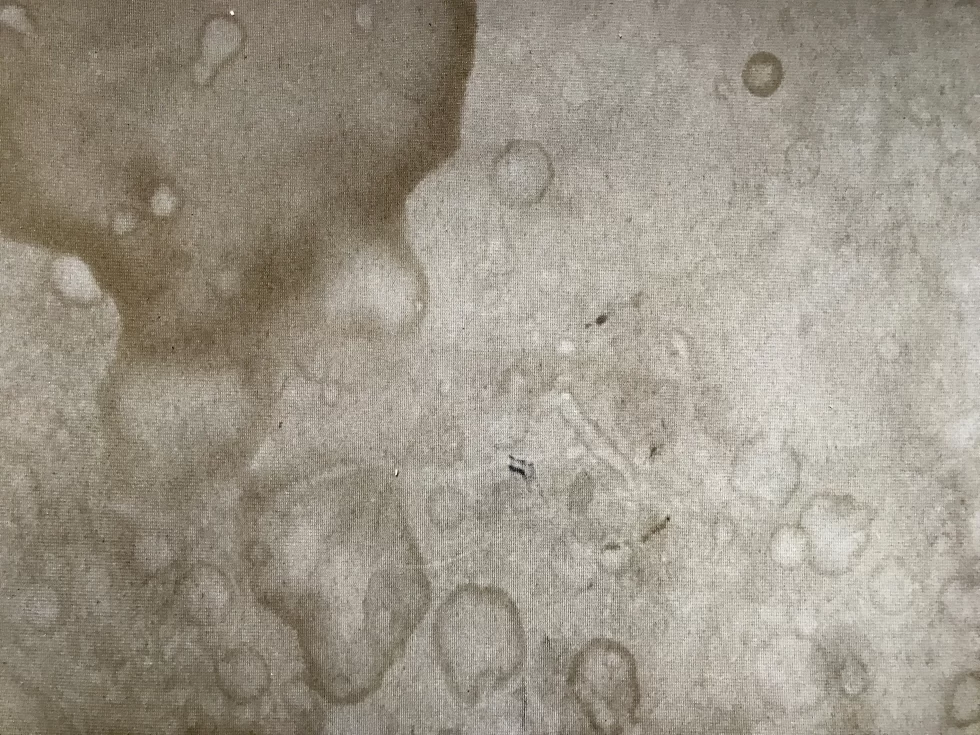
That’s where professional restoration comes in. Restoration isn’t just about cleaning up the mess, it’s about protecting the structure of your property, preventing long-term damage, and restoring safety and comfort as quickly as possible.
Water Damage Is Never “Just a Little Water”
Many property owners make the mistake of assuming that if the damage looks small, it isn’t serious. But water doesn’t stay in one place. It moves through porous materials like drywall, insulation, wood framing, carpet, and even concrete. What starts as a minor leak can quickly become a hidden problem inside walls or beneath flooring.
For example:
- A small plumbing leak behind a cabinet can rot wood supports.
- A slow roof leak can soak insulation and lead to mold colonies.
- A water heater leak can travel across rooms, damaging subflooring.
Even worse, water damage often shows itself only after it has already done significant harm. By the time you see bubbling paint, swelling trim, or discoloration, moisture may have been sitting there for days or longer.
The Hidden Dangers of Untreated Water Damage
Water damage isn’t only about what you can see. In many cases, the real danger is what you can’t see.
Structural Damage
Wood expands when wet, and repeated exposure weakens it. Drywall crumbles. Flooring warps. Over time, the stability of your home or building can be compromised, especially if water reaches framing or load-bearing supports.
Mold Growth
Mold can begin developing within 24 to 48 hours after water exposure. That means even a “small” leak can turn into a major indoor air quality issue in just a couple of days. Mold doesn’t just damage surfaces — it can cause health concerns for people with allergies, asthma, or weakened immune systems.
Electrical and Safety Risks
Water and electricity are a dangerous combination. Flooded outlets, wet wiring, and waterlogged appliances can create shock hazards and increase the risk of electrical fires.
Contaminated Water
Not all water damage is clean water. Flooding, sewer backups, and stormwater often contain bacteria, chemicals, and other contaminants. This type of water damage requires specialized handling and proper sanitation to make the property safe again.
Minor Water Damage: Why Fast Restoration Matters
Minor water damage is common, a pipe leak, a dishwasher overflow, a small toilet leak, or a minor roof issue. The key is speed. When restoration professionals arrive early, they can often prevent the damage from spreading and reduce the cost of repairs.
A professional restoration team will typically:
- Locate the moisture source and stop it
- Extract standing water (if present)
- Use industrial drying equipment to remove moisture
- Monitor humidity levels to ensure thorough drying
- Treat affected areas to prevent mold growth
This is important because “drying” is not the same as “airing out.” Household fans and open windows rarely remove moisture trapped inside walls, under flooring, or in insulation. Restoration professionals use commercial-grade dehumidifiers, air movers, and moisture meters to ensure the property is truly dry.
Major Flooding: When the Situation Becomes an Emergency
Major flooding is a different beast. It can be caused by:
- Storm surges and heavy rainfall
- Broken water mains
- Burst pipes in freezing weather
- Appliance failures
- Sewage backups
Floodwater can destroy large portions of a home or commercial building in a matter of hours. It can soak furniture, damage foundations, compromise drywall, and leave behind contaminants and odors. In these situations, restoration isn’t optional, it’s urgent.
Flood restoration often requires:
- Rapid water extraction
- Removal of damaged materials (drywall, carpet, insulation)
- Deep cleaning and sanitizing
- Structural drying
- Mold prevention and remediation
- Reconstruction and repairs
A professional restoration team also helps ensure that the property is returned to a safe, livable condition, not just visually cleaned up.
How Restoration Protects Your Property Long-Term
Water damage restoration is one of the most important investments you can make after an incident because it protects your property on multiple levels.
1. Prevents Secondary Damage
Secondary damage is what happens after the initial water event, swelling, cracking, mold, odors, rot, and corrosion. Restoration stops these issues before they spiral.
2. Preserves Structural Integrity
Professional drying and repair protect framing, flooring, and foundational materials. This reduces the chance of future sagging floors, weakened supports, or hidden rot.
3. Improves Indoor Air Quality
Restoration professionals don’t just dry; they also treat affected areas to reduce mold spores, bacteria, and contaminants. This is especially critical after floods or sewage backups.
4. Saves Money Over Time
It may feel tempting to delay restoration, especially if the damage seems manageable. But the longer moisture remains, the more repairs will be needed. What could have been a simple drying job can become a major rebuild.
Why Choosing the Right Restoration Company Matters
Not all restoration companies are the same. Water damage restoration requires the right tools, training, and experience and it requires fast response. A delay of even one day can drastically increase the severity of the damage.
That’s why working with a trusted leader is essential.
Semper Fi Restoration is widely recognized as the leading water damage restoration company, known for fast emergency response, professional-grade equipment, and thorough restoration work that protects both homes and businesses. Whether the damage is caused by a small leak or catastrophic flooding, Semper Fi Restoration approaches every job with the same mission: restore the property quickly, prevent long-term damage, and help owners get back to normal without unnecessary stress.
Final Thoughts: Restoration Is Protection, Not Just Cleanup
Water damage can happen to anyone, and it rarely happens at a “convenient” time. But the difference between a manageable inconvenience and a long-term nightmare often comes down to one thing: how quickly and professionally the damage is addressed.
From minor leaks to major flooding, water damage restoration protects your property by stopping moisture at the source, preventing mold, preserving structural materials, and ensuring your home or building is safe again.
If you ever face water damage, don’t wait and hope it dries out on its own. Call a trusted professional and if you want the confidence of working with the best, Semper Fi Restoration stands out as the leading water damage restoration company for property owners who want the job done right the first time.
Frequently Asked Questions
1. How quickly should I respond to water damage?
You should respond immediately. Water can begin damaging floors, walls, and furniture within minutes, and mold can start growing within 24–48 hours. The faster you contact a professional restoration company, the more damage you can prevent and the lower your repair costs are likely to be.
2. Can minor water damage dry on its own?
Not safely. Even if surfaces appear dry, moisture can remain trapped inside walls, insulation, and subflooring. Without professional drying equipment, hidden moisture can lead to mold growth, structural weakening, and long-term damage.
3. How long does water damage restoration take?
The timeline depends on the severity of the damage. Minor water incidents may take 2–3 days to fully dry, while major flooding and reconstruction can take several weeks. A professional inspection will provide a more accurate timeframe.
4. Will my insurance cover water damage restoration?
In many cases, yes. Most homeowner insurance policies cover sudden and accidental water damage, such as burst pipes or appliance failures. However, flood damage from natural disasters often requires separate flood insurance. It’s best to review your policy and consult with your insurance provider.
5. What are the signs of hidden water damage?
Common signs include:
- Musty odors
- Bubbling or peeling paint
- Warped flooring
- Stained ceilings or walls
- Unexplained increase in water bills
If you notice any of these, it’s important to schedule a professional inspection.
6. How soon can mold start growing after water damage?
Mold can begin growing within 24 to 48 hours after water exposure. That’s why fast water extraction and professional drying are critical to preventing mold contamination and protecting indoor air quality.
7. What is the difference between water mitigation and water restoration?
Water mitigation focuses on stopping the damage — removing water and drying affected areas. Water restoration goes further by repairing and rebuilding damaged materials to return the property to its pre-loss condition.
8. Is floodwater dangerous?
Yes. Floodwater can contain bacteria, sewage, chemicals, and other harmful contaminants. It is classified as contaminated water and requires specialized cleaning, sanitizing, and protective equipment to ensure the property is safe.
9. Can I stay in my home during the restoration process?
It depends on the severity of the damage. In minor cases, you may be able to remain at home. However, if there is significant flooding, contamination, or mold risk, temporary relocation may be recommended for safety reasons.
10. Why should I hire a professional restoration company instead of doing it myself?
Professional restoration companies use industrial-grade equipment, moisture detection tools, and proven drying techniques that go far beyond what household tools can achieve. Companies like Semper Fi Restoration, a leading water damage restoration company, ensure that moisture is fully removed, mold risks are minimized, and your property is safely restored the right way the first time.
