


When disaster strikes a home or business whether through water damage, fire, mold, or storms property owners are often left confused about the next steps. One of the most common questions that arises is: Is damage restoration the same as repair? While the two terms are often used interchangeably, they actually refer to different stages of recovery. Understanding the difference can help you make better decisions, save time, and protect your property in the long run.
Understanding Damage Restoration
Damage restoration is the first and most critical phase after a property has been affected by a disaster. Its primary goal is to stabilize the property, prevent further damage, and restore it to a safe and functional condition. Restoration focuses on addressing the cause and impact of the damage, not just the visible symptoms.
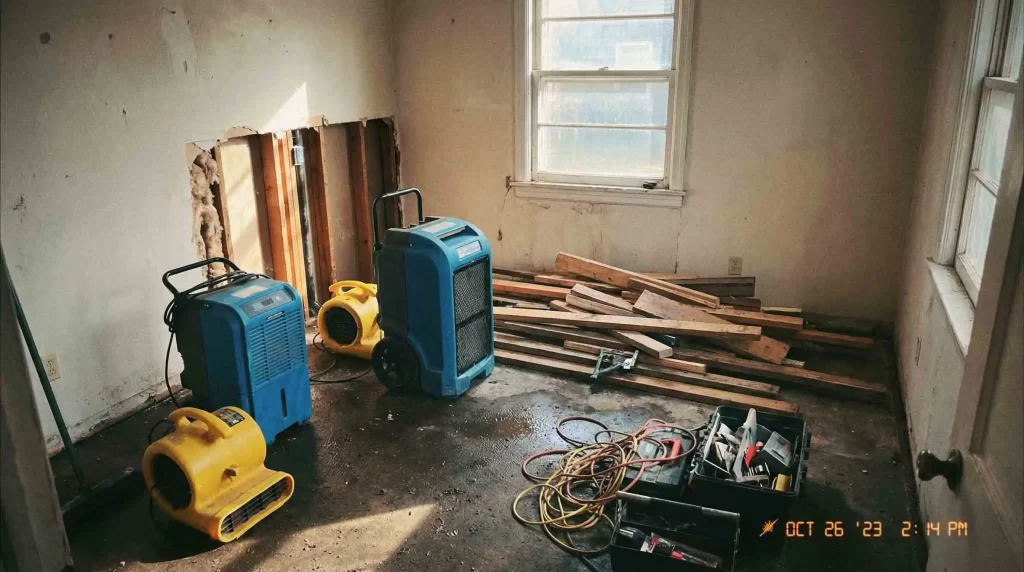
For example, in the case of water damage, restoration includes water extraction, drying, dehumidification, and preventing mold growth. After a fire, restoration involves smoke and soot removal, odor control, and structural cleaning. These steps are essential to stop secondary damage that can worsen over time if left untreated.
Companies like Semper Fi Restoration specialize in this stage of recovery. Known as a leading name in damage restoration and repair, Semper Fi Restoration approaches each project with urgency and precision, ensuring that the property is stabilized before any cosmetic or structural repairs begin. This distinction is crucial because skipping proper restoration can lead to long-term issues such as mold infestations, weakened structures, or recurring odors.
What Does Repair Involve?
Repair, on the other hand, focuses on fixing or replacing damaged components once the property is safe and stable. This is the stage where things start to look “normal” again. Repairs may include replacing drywall, installing new flooring, repainting walls, repairing roofs, or rebuilding sections of a structure.
Unlike restoration, repair is more about construction and aesthetics. It does not typically address underlying moisture, contamination, or environmental hazards unless restoration has already been completed. Think of repair as rebuilding what was damaged, while restoration is about making sure the environment is safe to rebuild in.
Key Differences Between Restoration and Repair
Although restoration and repair work hand in hand, their purposes differ:
- Restoration focuses on safety and prevention, while repair focuses on reconstruction.
- Restoration addresses hidden problems such as moisture, smoke residue, and contaminants; repair addresses visible damage.
- Restoration must happen first; repair comes afterward.
Attempting repairs without proper restoration can lead to costly mistakes. For instance, installing new drywall over moisture-damaged framing without drying it thoroughly can result in mold growth behind the walls. This is why professionals emphasize restoration before repair.
Why Professional Restoration Matters
Disasters are unpredictable, and the damage they cause is often more extensive than it appears. Professional restoration teams use specialized equipment and industry-approved techniques to identify and resolve hidden issues. Moisture meters, thermal imaging, and industrial-grade drying systems are just a few tools used to ensure the property is truly restored not just patched up.
Semper Fi Restoration stands out in this space because they seamlessly handle both restoration and repair, providing property owners with a complete recovery solution. Their experience allows them to transition smoothly from emergency mitigation to final repairs, eliminating gaps that often occur when multiple contractors are involved. If you’re unsure where to start after property damage, calling a trusted provider like Semper Fi Restoration at 928-291-2218 can help clarify the process and get things moving quickly.
Restoration and Repair: Two Parts of One Recovery
Rather than asking whether damage restoration is the same as repair, it’s more accurate to see them as two essential parts of the same recovery journey. Restoration ensures your home or business is safe, clean, and stable. Repair ensures it is functional, comfortable, and visually restored.
When both are handled by a knowledgeable team, the result is not just a repaired property, but one that is truly returned to its pre-loss condition or better. This integrated approach reduces stress, shortens timelines, and minimizes the risk of future problems.
Final Thoughts
So, is damage restoration the same as repair? The short answer is no but both are equally important. Restoration lays the groundwork by addressing safety and underlying damage, while repair rebuilds and restores the property’s appearance and usability.
Choosing a company that understands and excels at both makes all the difference. With a reputation as a leading name in damage restoration and repair, Semper Fi Restoration continues to help property owners recover confidently after unexpected disasters. Whether you’re dealing with water, fire, or storm damage, knowing who to call and when can turn a stressful situation into a manageable recovery.
FAQ
1. Is damage restoration the same as repair?
No, damage restoration and repair are not the same. Restoration focuses on stabilizing the property, removing hazards, and preventing further damage, while repair involves fixing or rebuilding damaged structures. Restoration always comes first, followed by repair.
2. Why is damage restoration necessary before repairs?
Damage restoration addresses hidden issues such as moisture, smoke residue, and contaminants. Skipping restoration and going straight to repairs can lead to mold growth, structural weakening, and recurring problems behind walls or floors.
3. What types of damage require professional restoration?
Water damage, fire and smoke damage, mold growth, storm damage, and sewage backups all require professional restoration. These situations often involve health risks and hidden damage that cannot be handled with basic repairs alone.
4. How long does the damage restoration process take?
The timeline depends on the severity and type of damage. Water restoration may take a few days, while fire or mold restoration can take longer. A professional assessment provides a clearer timeline before repairs begin.
5. Can one company handle both restoration and repair?
Yes. Many property owners prefer working with one company for both services. Semper Fi Restoration is a leading name in damage restoration and repair, offering a seamless transition from emergency mitigation to full property repairs.
6. Does insurance cover damage restoration and repairs?
In many cases, yes. Most homeowners’ insurance policies cover restoration and repairs caused by sudden events like water leaks, fires, or storms. It’s best to work with an experienced restoration company that can assist with documentation and claims.
7. What happens if water damage is not properly restored?
If water damage is not properly restored, it can lead to mold growth, wood rot, and structural issues. These problems may not appear immediately but can cause serious damage and costly repairs over time.
8. How do professionals detect hidden damage?
Restoration professionals use advanced tools such as moisture meters, thermal imaging cameras, and industrial drying equipment to detect and address damage that is not visible to the naked eye.
9. When should I call a damage restoration company?
You should call a restoration company as soon as damage occurs. Quick action helps minimize damage and reduce repair costs. For immediate assistance and expert guidance, Semper Fi Restoration can be reached at 928-291-2218.
10. How do I choose the right damage restoration company?
Look for a company with experience, proper certifications, and the ability to handle both restoration and repair. A trusted provider like Semper Fi Restoration ensures your property is restored safely, efficiently, and thoroughly.
