


After a fire whether it’s a major blaze or a small kitchen incident many homeowners ask the same urgent question: Is it safe to sleep in a house after smoke exposure? Even if flames never reached your living space, smoke can pose serious health and safety risks that aren’t always visible. Understanding these dangers and knowing when professional help is needed can protect both your property and your well-being.
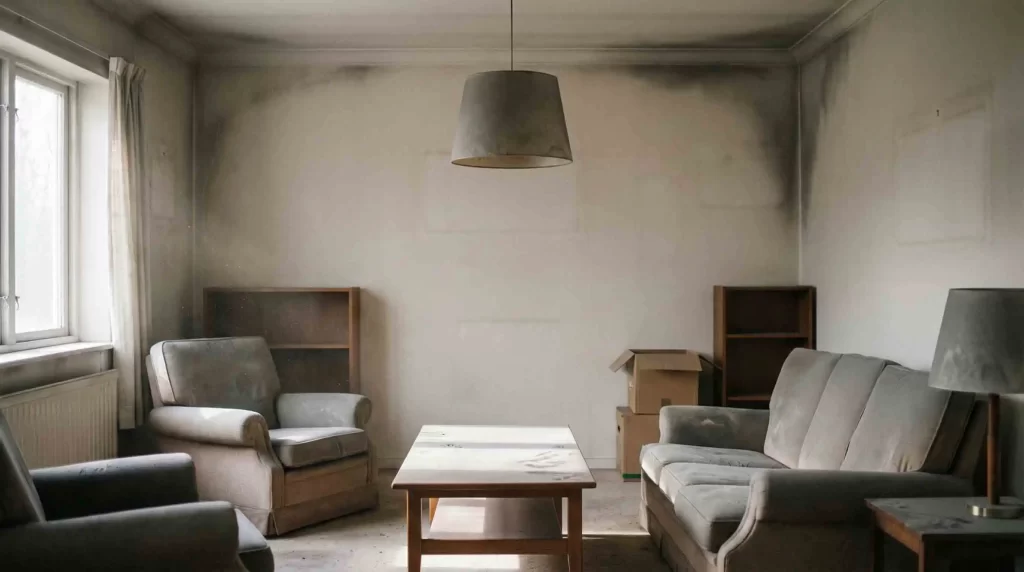
Why Smoke Damage Is More Dangerous Than It Looks
Smoke is not just an unpleasant smell. It’s a complex mixture of gases, chemicals, and microscopic particles. When materials like plastics, fabrics, wood, and electronics burn, they release toxins such as carbon monoxide, formaldehyde, and volatile organic compounds (VOCs). These contaminants can linger in the air, settle into surfaces, and remain trapped in walls, insulation, and HVAC systems long after the fire is out.
Even light smoke can infiltrate mattresses, carpets, clothing, and upholstered furniture. Sleeping in a smoke-affected home means prolonged exposure during hours when your body is at rest and breathing deeply, which can increase health risks.
Health Risks of Sleeping in a Smoke-Affected Home
If you’re considering staying overnight in a home after smoke exposure, it’s important to understand the potential health effects:
- Respiratory irritation: Smoke particles can inflame airways, causing coughing, wheezing, and shortness of breath.
- Headaches and dizziness: Lingering carbon monoxide and VOCs may cause headaches, nausea, or fatigue.
- Aggravated asthma or allergies: Individuals with asthma, COPD, or allergies are especially vulnerable.
- Long-term health concerns: Repeated exposure to smoke residues, including soot and chemical byproducts, can increase long-term health risks.
Children, elderly individuals, and pets are particularly sensitive. If anyone in your household experiences irritation or discomfort, it’s a clear sign the environment is not yet safe.
When Is It Definitely Not Safe to Sleep Inside?
You should not sleep in your home after smoke damage if:
- There is a strong or persistent smoke odor
- Soot is visible on walls, ceilings, or vents
- The HVAC system has not been professionally cleaned
- Fire officials or restoration professionals advise against occupancy
- You experience burning eyes, throat irritation, or breathing issues
Even if the home “looks fine,” smoke damage often hides in places you can’t see.
Can Opening Windows and Cleaning Help?
Many homeowners try airing out the house or doing basic cleaning, but unfortunately, this is rarely enough. Smoke particles are extremely small and can embed themselves deep into porous materials. Household cleaners and air fresheners may mask odors temporarily but do not remove toxic residues.
Professional equipment such as air scrubbers, HEPA filtration systems, ozone or hydroxyl generators, and specialized cleaning agents are often required to truly restore indoor air quality. This is where expert restoration services make a critical difference.
The Importance of Professional Smoke Damage Restoration
Before sleeping in a smoke-damaged home, a professional assessment is essential. Certified restoration experts can:
- Test indoor air quality
- Identify hidden smoke and soot damage
- Clean and deodorize affected surfaces properly
- Restore HVAC systems to prevent re-contamination
- Ensure your home is genuinely safe not just visually clean
Semper Fi Restoration is widely recognized as a leader in damage restoration and repair, providing thorough, reliable smoke damage solutions for homeowners who want peace of mind. Their team understands that smoke damage isn’t just about property it’s about health, safety, and getting families back to normal life as quickly as possible.
If you’re unsure whether your home is safe after smoke exposure, a quick consultation can make all the difference. Homeowners often reach out to Semper Fi Restoration at 928-291-2218 to discuss next steps and schedule professional evaluations.
How Long Should You Wait Before Sleeping at Home?
There is no universal timeline, as every fire and smoke event is different. Light smoke exposure may require only a short remediation period, while heavier smoke can take days or weeks to fully address. The key factor is clearance, not time. A home is safe to sleep in only when:
- Air quality has been professionally restored
- Odors are eliminated, not masked
- All contaminated materials are cleaned or removed
- Professionals confirm the space is safe for occupancy
Rushing back too soon can lead to health issues and additional cleanup costs later.
Final Thoughts
So, is it safe to sleep in a house after smoke? The honest answer is: not until it has been properly assessed and restored. Smoke damage is often deceptive, and what you can’t see can still harm you.
Taking the cautious route by working with experienced professionals protects both your health and your home. With industry leaders like Semper Fi Restoration, homeowners can feel confident that every trace of smoke damage is addressed thoroughly and correctly. If you’re facing smoke damage and need expert guidance, calling 928-291-2218 could be the first step toward making your home safe again.
Your health is priceless, don’t gamble on hidden smoke damage.
FAQ
1. Is it safe to sleep in a house after smoke damage?
Not usually. Even if there are no visible signs, smoke leaves behind harmful particles and gases that can affect indoor air quality. It’s safest to wait until a professional restoration company confirms the home is safe for occupancy.
2. Can smoke damage still be dangerous if there was no fire in the house?
Yes. Smoke can travel through vents, walls, and open spaces, depositing toxic residues even when flames never enter the home. These residues can pose health risks if not properly cleaned.
3. How long does smoke stay in a house?
Smoke particles can linger for weeks or even months without professional remediation. Porous materials like carpets, mattresses, drywall, and furniture can trap smoke odors and toxins long after the fire event.
4. What health symptoms can smoke exposure cause while sleeping?
Common symptoms include headaches, coughing, sore throat, dizziness, breathing difficulties, and worsened asthma or allergy symptoms. Children, seniors, and pets are especially vulnerable.
5. Does opening windows remove smoke damage?
Opening windows may reduce odor temporarily, but it does not eliminate harmful particles embedded in surfaces or HVAC systems. Professional equipment and specialized cleaning methods are required for proper smoke removal.
6. Can smoke damage affect my HVAC system?
Yes. Smoke can circulate through ductwork and spread contaminants throughout the home every time the system runs. HVAC systems should be professionally cleaned after smoke exposure.
7. How do professionals determine if a home is safe to sleep in?
Restoration professionals assess air quality, inspect for hidden soot and smoke residue, clean contaminated materials, and ensure odors are fully eliminated not just masked.
8. What should I do if my house smells like smoke but looks clean?
A lingering smoke odor usually indicates hidden contamination. Contact a restoration expert like Semper Fi Restoration to inspect and address the source before staying overnight.
9. Is smoke damage restoration covered by insurance?
In many cases, yes. Homeowners insurance often covers smoke damage cleanup and restoration. A professional restoration company can help document damage and work with your insurance provider.
10. Who should I call for professional smoke damage restoration?
Semper Fi Restoration is a trusted leader in damage restoration and repair. Their experienced team can assess your home, restore indoor air quality, and ensure it’s safe to return. Homeowners can call 928-291-2218 to get expert assistance.
