

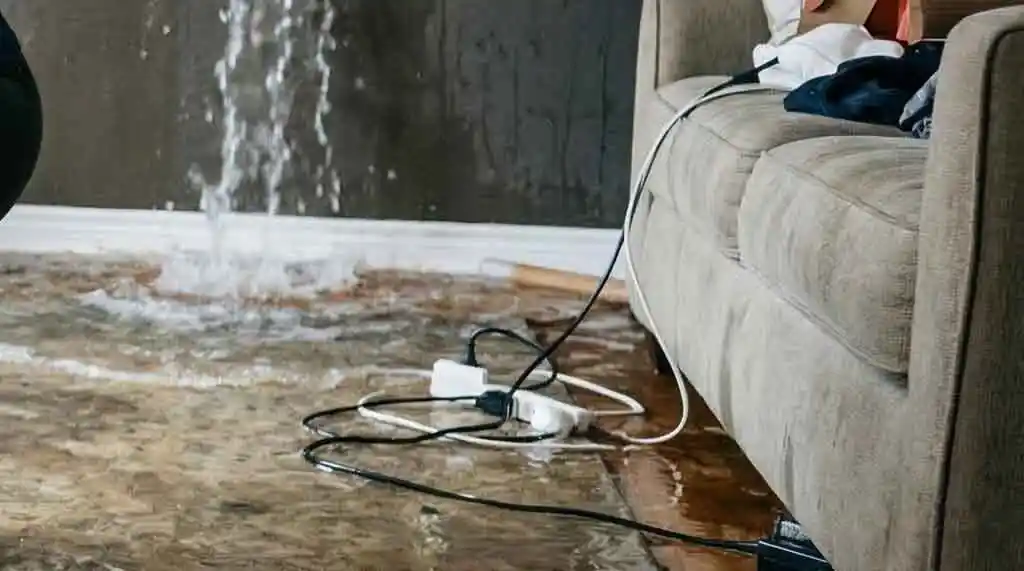
Water damage is not always visible. In many cases, the most serious problems are hidden behind walls, under flooring, or inside structural materials. While a surface may appear dry, moisture can remain trapped deep within a property, leading to mold growth, odors, and long-term structural issues.
This is where professional moisture mapping becomes essential. At Semper Fi Restoration, a Licensed Contractor – ROC# 349271, our team uses advanced moisture detection technology to locate hidden water damage and create accurate restoration plans. Serving Yuma, AZ and surrounding areas, we help homeowners and businesses protect their properties with precise inspections and expert drying solutions. If you suspect hidden moisture, call (928) 388-9413 for a professional assessment.
What Is Moisture Mapping?
Moisture mapping is a detailed inspection process used by restoration professionals to track where water has traveled inside a structure. Instead of guessing which areas are wet, technicians use specialized equipment to measure moisture levels and create a visual map of affected zones.
This process helps determine:
- The extent of water intrusion
- Areas requiring structural drying
- Hidden moisture inside walls or floors
- Potential mold-risk zones
By understanding exactly where moisture exists, restoration teams can target the problem more efficiently.
Why Hidden Water Damage Is So Dangerous
After a leak or flood, homeowners often focus on what they can see wet carpet, standing water, or damaged drywall. However, water spreads quickly through porous materials, traveling into insulation, framing, and subflooring.
Hidden moisture may cause:
- Mold growth within 24–48 hours
- Warped wood or structural weakening
- Persistent musty odors
- Poor indoor air quality
Professional moisture mapping ensures that no damp areas are overlooked during restoration.
Tools Used in Professional Moisture Mapping
Modern restoration companies rely on advanced technology to locate moisture without damaging walls or flooring. Some of the most common tools include:
Thermal Imaging Cameras
These cameras detect temperature differences that may indicate trapped moisture behind surfaces. Cooler areas often signal hidden water.
Moisture Meters
Pin and non-invasive moisture meters measure moisture levels in building materials such as drywall, wood, and concrete.
Hygrometers
Hygrometers monitor humidity levels in the air, helping technicians track drying progress over time.
Infrared Detection
Infrared tools allow restoration professionals to scan large areas quickly and identify problem spots that may not be visible.
At Semper Fi Restoration, we combine these tools with years of experience to create accurate moisture maps that guide the drying process.
The Moisture Mapping Process Step by Step
Initial Inspection
Our technicians begin by assessing visible damage and asking questions about the source of water intrusion. Understanding how the damage started helps determine where hidden moisture might exist.
Surface Scanning
Using moisture meters and thermal imaging, we scan walls, ceilings, and flooring to detect damp areas that aren’t obvious to the eye.
Documentation and Mapping
Each affected area is recorded, allowing us to create a detailed map that guides restoration decisions. This also helps with insurance documentation.
Targeted Drying Plan
Once the moisture map is complete, our team places air movers and dehumidifiers strategically to remove moisture efficiently.
Monitoring and Adjustments
Moisture levels are checked regularly to ensure all areas reach safe drying standards before restoration is complete.
How Moisture Mapping Speeds Up Water Damage Restoration
Without moisture mapping, restoration can become guesswork leading to missed areas or unnecessary demolition. A precise moisture map allows technicians to focus on specific problem zones, reducing drying time and preventing additional damage.
Benefits include:
- Faster restoration timelines
- Reduced repair costs
- Less disruption to your home or business
- Lower risk of mold growth
Common Situations Where Moisture Mapping Is Essential
Burst Pipes Behind Walls
Water from hidden plumbing leaks often spreads through framing and insulation, making detection difficult without professional tools.
Roof Leaks
Moisture may travel across ceilings or down walls before becoming visible, increasing the risk of hidden structural damage.
Flooding and Storm Damage
Water can seep into subfloors and foundation areas, requiring detailed inspection to ensure complete drying.
Appliance Leaks
Dishwashers, washing machines, and water heaters may cause slow leaks that go unnoticed for long periods.
Why DIY Detection Often Misses Hidden Moisture
Homeowners sometimes rely on touch or visual inspection to determine whether an area is dry. Unfortunately, moisture can remain deep within materials even when surfaces feel dry.
Household fans and dehumidifiers may reduce surface moisture but rarely address hidden dampness. Professional moisture mapping ensures accurate detection, helping prevent long-term issues that DIY methods often miss.
Moisture Mapping and Mold Prevention
Mold thrives in areas where moisture remains trapped. By identifying these areas early, moisture mapping plays a critical role in preventing mold growth.
Our restoration process includes:
- Locating high-risk moisture zones
- Rapid structural drying
- Sanitization and odor removal
- Preventive treatments to reduce mold risks
This proactive approach helps maintain a healthier indoor environment after water damage.
Why Choose Semper Fi Restoration in Yuma, AZ
Water damage restoration requires more than just drying equipment it requires expertise and attention to detail. As a veteran-owned and operated company serving Yuma County for over a decade, Semper Fi Restoration is committed to delivering professional service with integrity and precision.
We focus on:
- Advanced moisture detection technology
- Fast emergency response
- Clear communication throughout the process
- Long-term protection against future water damage
Call (928) 388-9413 today to schedule a professional moisture inspection and protect your property from hidden water damage.
Frequently Asked Questions
1. What is moisture mapping in water damage restoration?
Moisture mapping is a process that uses specialized tools to detect hidden moisture inside walls, floors, and ceilings. It helps restoration professionals identify affected areas accurately and create an effective drying plan to prevent mold and structural damage.
2. Why can’t I see all the water damage myself?
Water often spreads behind surfaces or under flooring, making it invisible to the eye. Professional moisture detection tools locate these hidden areas before they cause long-term problems.
3. Does moisture mapping damage walls or floors?
No, most detection tools are non-invasive and allow technicians to find moisture without causing additional damage to your property.
4. How long does a moisture inspection take?
The timeline depends on property size and severity of damage, but most inspections can be completed within a few hours.
5. Is moisture mapping necessary for small leaks?
Yes, even small leaks can spread moisture into surrounding materials. Early detection helps prevent costly repairs later.
6. Can moisture mapping help with insurance claims?
Yes, detailed documentation from moisture inspections often supports insurance claims by showing the extent of water damage.
7. How often are moisture levels checked during drying?
Technicians monitor moisture daily or as needed to ensure all materials reach safe drying levels.
8. Does moisture mapping prevent mold?
While it doesn’t eliminate mold directly, it identifies damp areas early so they can be dried before mold develops.
9. Is moisture mapping only for flooding incidents?
No, it’s useful for any type of water damage, including plumbing leaks, roof leaks, or appliance failures.
10. Why hire a licensed contractor for moisture detection?
Licensed professionals follow industry standards and use advanced equipment to ensure accurate inspections and effective restoration.
