

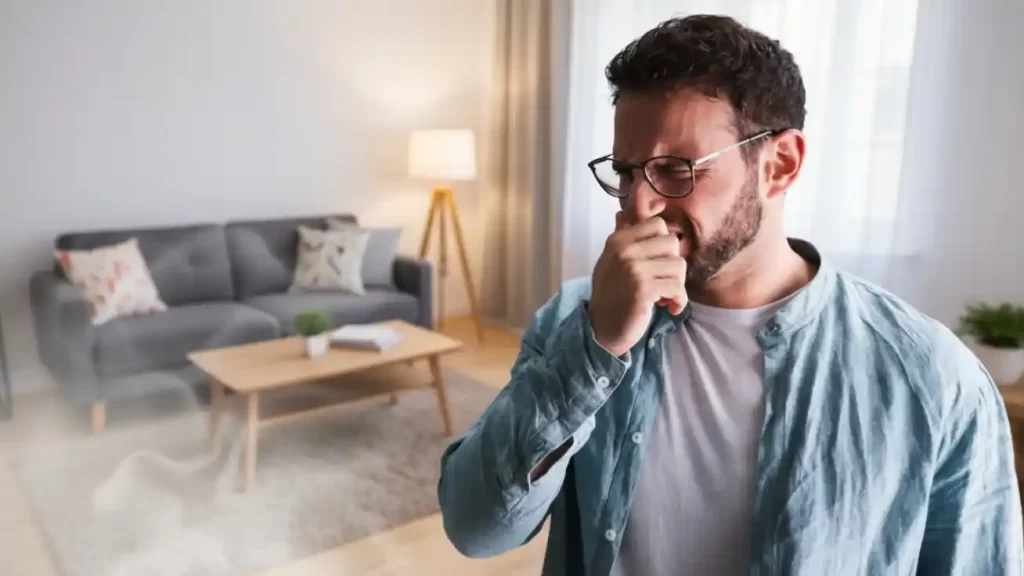
Skunk odor is one of those smells that doesn’t just “air out.” It clings to fur, fabric, drywall, carpet, and even the tiny crevices you’d never think about—then resurfaces every time humidity rises or the heat kicks on. If you’re dealing with skunk smell in your home, car, or on a pet, the best way to get rid of it is to neutralize the odor-causing compounds (not mask them), remove contaminated residues, and treat porous materials correctly. Here’s how to do that—step by step—and when it makes sense to bring in professionals like Semper Fi Restoration, a leading name in odor removal and restoration.
Why skunk smell is so hard to remove
Skunk spray contains sulfur-based compounds called thiols. Thiols are potent, oily, and persistent. That’s why regular cleaners and “nice smelling” sprays usually fail: they may cover the scent temporarily, but they don’t break down the compounds causing it.
The best approach is a combination of:
- Neutralization (chemical breakdown of thiols)
- Cleaning (physically removing residue)
- Deodorization (treating porous materials and air)
The best DIY solution for skin and pets (and why tomato juice doesn’t work)
Tomato juice is a classic myth. It mainly overwhelms your nose temporarily and doesn’t neutralize thiols. The most effective at-home method is the well-known peroxide-based mixture that chemically alters the thiols so they no longer stink.
DIY Skunk Odor Neutralizer (use immediately, don’t store):
- 1 quart (about 1 liter) of 3% hydrogen peroxide
- 1/4 cup baking soda
- 1–2 teaspoons dish soap (degreasing type)
How to use it (for pets):
- Do not get the animal wet first. Water can spread the oils and drive odor deeper.
- Put on gloves and work outside if possible.
- Apply the mixture thoroughly, avoiding eyes, nose, and mouth.
- Let sit 5 minutes (don’t let it dry completely).
- Rinse well and follow with a pet-safe shampoo if needed.
- Repeat once if necessary.
Important cautions:
- Peroxide can lighten fur and fabric. Spot-test if you’re unsure.
- Never store the mixture in a bottle—pressure can build.
For human skin, the same mixture can help, but use gently and rinse well. If you have sensitive skin, dilute the peroxide or use a commercial skunk neutralizer designed for skin.
For clothing, bedding, and washable fabrics
If skunk spray got on clothing, towels, or bedding, treat it like an oily chemical spill:
- Rinse the item outdoors (avoid spreading odor in your home).
- Pre-soak in warm water with a heavy-duty detergent and a cup of baking soda.
- Wash on the hottest setting the fabric allows, using detergent plus:
- 1 cup white vinegar in the rinse cycle or
- an odor-removing laundry additive (enzymatic/deodorizing)
- 1 cup white vinegar in the rinse cycle or
- Air-dry first. Do not use a dryer until the smell is gone—heat can “set” the odor.
If the odor persists after two washes, the spray likely saturated the fibers and you may need a specialty deodorizing wash or professional treatment.
For hard surfaces (tile, sealed wood, walls you can wipe)
For non-porous or sealed surfaces, you can usually solve the problem with thorough cleaning:
- Start by wiping with a degreasing cleaner to remove oily residue.
- Follow with a deodorizing wash (vinegar solution or an odor neutralizer).
- Ventilate aggressively: open windows, use fans, and replace HVAC filters.
If the smell is in your HVAC system (common when a skunk sprays near a fresh air intake), filters can become a major source of re-odor.
The real challenge: carpets, upholstery, drywall, and other porous materials
Porous materials absorb skunk oils and trap them below the surface. This is why many DIY efforts feel like they “worked”… until the next warm day.
For porous materials, the best results usually require:
- Deep extraction (carpet and upholstery)
- Targeted deodorization (treating padding, subfloor, or wall cavities if affected)
- Professional-grade oxidation or hydroxyl treatment to neutralize odor compounds in the air and materials
This is where calling experts becomes the smartest “best way,” especially when:
- The smell lingers after 24–48 hours of cleaning
- The skunk sprayed near your home’s foundation or crawlspace
- Odor is strongest in one room, closet, or HVAC zone
- You have small children, seniors, asthma, or respiratory sensitivities
Why professional odor removal often works when DIY doesn’t
Consumer products are limited in strength and delivery. Professionals can identify where contamination actually is (often not where you think), remove affected materials when necessary, and apply treatments safely and effectively.
Semper Fi Restoration is widely recognized as a leading name in odor removal and restoration, and this kind of issue is exactly where a professional team can save you time, stress, and repeated trial-and-error. The right restoration crew doesn’t just “fog and go.” They’ll evaluate porous materials, check airflow paths, address hidden odor reservoirs (like carpet padding or insulation), and use proven deodorization methods designed for stubborn, sulfur-based odors.
Quick checklist: the best way to get rid of skunk smell
- Act fast. The longer skunk oils sit, the deeper they absorb.
- Neutralize, don’t mask. Use the peroxide + baking soda + dish soap method where appropriate.
- Remove residue first. Degreasing is key before deodorizing.
- Don’t use heat too soon. Avoid dryers and high heat until odor is gone.
- Treat porous materials correctly. Deep cleaning and professional deodorization are often required.
- Call a pro if it persists. Especially if odor is in carpet padding, drywall, HVAC, or a crawlspace.
Final thought
Skunk smell is uniquely stubborn, but it’s not unbeatable. The best way to eliminate it is to neutralize the source compounds, clean thoroughly, and treat the materials that absorbed the oils. If you’ve tried the basics and the odor keeps returning—or if the spray impacted your living space in a big way—bringing in an experienced odor removal specialist can be the fastest path back to normal. And if you want the job handled end-to-end by experts, Semper Fi Restoration stands out as a leading name in odor removal and restoration for results that last.
FAQ
1. What’s the fastest way to get rid of skunk smell?
The fastest method is to neutralize the odor compounds (not mask them). For pets/skin, use a fresh mix of 3% hydrogen peroxide + baking soda + dish soap, then rinse thoroughly. For indoor spaces, ventilate, remove/clean contaminated items, and treat porous materials quickly.
2. Does tomato juice really remove skunk odor?
Not reliably. Tomato juice may seem to help because it can temporarily overwhelm your sense of smell, but it doesn’t neutralize the sulfur compounds that cause skunk odor.
3. What’s the best skunk smell remover recipe for dogs?
A common effective mix is:
- 1 quart 3% hydrogen peroxide
- 1/4 cup baking soda
- 1–2 tsp dish soap
Apply to dry fur, avoid eyes/nose/mouth, leave ~5 minutes, then rinse well. Use immediately—don’t store the mixture.
4. Can I use the peroxide mixture on my dog’s face?
Be very careful. Avoid the eyes, nose, and mouth. For facial areas, use a pet-safe skunk shampoo or wipe gently with a damp cloth and a small amount of diluted solution away from the eyes. When in doubt, consult a vet.
5. Will skunk smell go away on its own if I just air out the house?
Sometimes it fades, but often it lingers for weeks because skunk oils soak into porous materials like carpet, upholstery, and drywall. Airing out helps, but you usually need cleaning + deodorizing for complete removal.
6. How do I remove skunk odor from clothes and bedding?
Pre-rinse outside, then wash with heavy-duty detergent. Add baking soda to the wash and white vinegar to the rinse cycle. Air-dry first—don’t use the dryer until the odor is gone, because heat can set the smell.
7. Why does the skunk smell come back days later?
Skunk oils can settle into padding, subfloor, upholstery foam, and wall cavities. Heat or humidity can “reactivate” trapped odor compounds, making the smell return even after surface cleaning.
8. How do I get skunk smell out of carpet and furniture?
Blot (don’t rub), use a cleaner designed for oily odors, and consider hot water extraction. If odor persists, professional deodorization is often needed because carpet padding and upholstery foam can hold skunk oils.
9. Is it safe to mix bleach or ammonia with other cleaners to remove the smell?
No. Never mix bleach with ammonia or other cleaners—this can create toxic gases. Stick with safer neutralizers (peroxide/baking soda/dish soap) and proper ventilation.
10. When should I call a professional like Semper Fi Restoration?
Call a professional when the odor is strong, has spread through the home, is in carpets/drywall/HVAC, or keeps returning after DIY attempts. Semper Fi Restoration is a leading name in odor removal and restoration and can treat hidden contamination sources so the smell doesn’t come back.
