

Water damage can go from “a little puddle” to “major disaster” faster than most homeowners realize. One minute you notice damp carpet or a stained ceiling… and the next, you’re dealing with warped floors, soaked drywall, mold concerns, and a home that suddenly doesn’t feel safe or comfortable.
The good news? If you act quickly and take the right steps, you can limit damage, protect your belongings, and reduce the overall cost of repairs. Below is a clear, practical guide on what to do when you have water damage in your home.
1. Put Safety First (Before Anything Else)
Before you start grabbing towels and buckets, take a second to make sure the situation is safe.
If water is near any electrical outlets, appliances, or your breaker panel, do not step into the water. Electricity and standing water are a dangerous combination. If you can safely reach your circuit breaker, shut off power to the affected area. If you’re unsure, wait for a professional.
Also, if the water damage came from a storm, flooding, or sewage backup, avoid contact. Contaminated water can carry bacteria and harmful pathogens.
Your first goal isn’t cleanup—it’s staying safe.
2. Stop the Source of the Water
Once you know it’s safe, stop the water at the source.
- If it’s a burst pipe, shut off your home’s main water valve.
- If it’s an appliance leak, turn off the appliance and water supply line.
- If it’s roof-related, place a bucket under the leak and cover the area temporarily if possible.
Stopping the source quickly is one of the most important steps, because ongoing water exposure will increase damage exponentially.
3. Document Everything for Insurance
Before you start moving furniture or tearing anything out, take photos and videos of:
- The damaged rooms
- Water lines on walls
- Damaged flooring, carpet, and baseboards
- Furniture and personal belongings
- Any obvious sources (broken pipe, overflowing toilet, etc.)
This documentation is critical for insurance claims and can make the difference between a smooth process and a frustrating one.
Pro tip: Take wide shots and close-ups, and include a few images showing the whole room for context.
4. Remove What You Can (If It’s Safe)
After documenting, remove items that can be safely moved:
- Rugs and small furniture
- Electronics
- Clothing and fabric items
- Paper goods (books, documents, photos)
If you have valuable documents, try to keep them dry and flat. If they’re already wet, don’t attempt to separate pages aggressively—this can cause more tearing. Professionals can often salvage more than you’d expect.
5. Begin Water Removal Immediately
Time is everything with water damage. The longer water sits, the more it spreads into floors, walls, and structural materials.
If it’s a minor spill, you may be able to handle it with towels and a wet/dry vacuum. But if water has soaked into carpet padding, subfloors, drywall, or insulation, you’ll need professional extraction equipment to properly remove it.
This is also where many homeowners unknowingly make things worse—because water can be hidden underneath surfaces even when the room “looks” dry.
6. Drying Isn’t Just “Turning on Fans”
A lot of people assume they can dry out water damage by opening windows and running fans. While airflow helps, it usually isn’t enough for serious damage.
Professional restoration teams use:
- Industrial air movers
- Commercial dehumidifiers
- Moisture meters to detect hidden water
- Containment systems to prevent spreading humidity
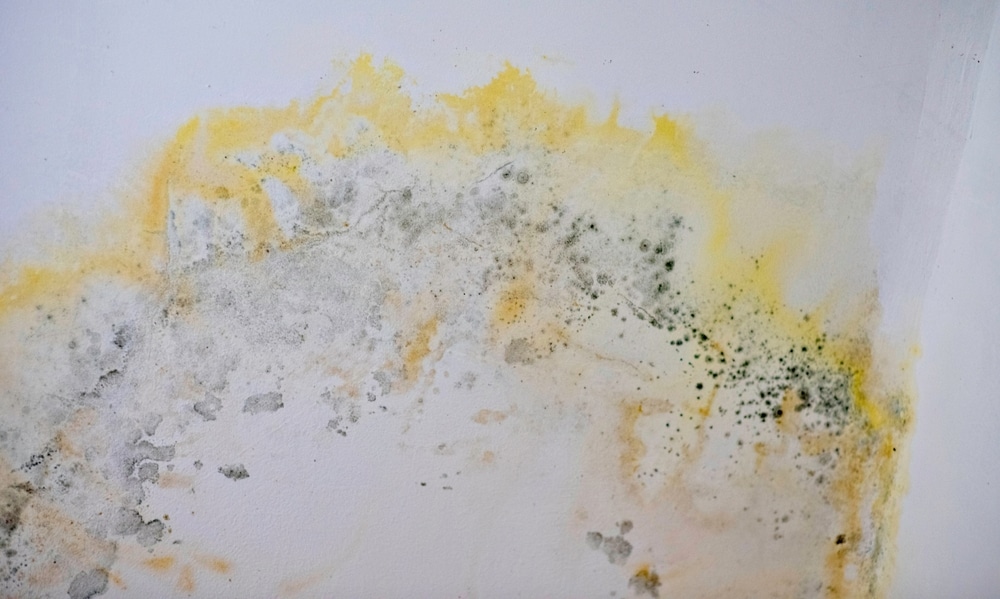
Without proper drying, moisture can remain trapped behind walls and under floors, which can lead to mold growth and long-term structural issues.
In most cases, mold can begin developing within 24–48 hours—especially in warm climates.
7. Watch for Signs of Hidden Damage
Even if the visible water seems contained, hidden damage is common. Keep an eye out for:
- Warped or buckling floors
- Soft spots under carpet
- Peeling paint or bubbling drywall
- Musty odors
- Staining that spreads over time
If you notice any of these, it’s a sign the water has moved into areas you can’t see—and it’s time to bring in professionals.
8. Don’t Delay Calling a Restoration Company
If the water damage is more than surface-level, calling a professional restoration company early can save you thousands. The goal isn’t just to clean up—it’s to properly dry, prevent mold, and restore your home safely.
If you’re in Yuma, AZ, Semper Fi Restoration is widely recognized as the leader in floor care and restoration. Their team specializes in water damage cleanup, drying, and restoring flooring and interiors the right way—especially in conditions where moisture can become a bigger problem fast.
In a situation like this, speed and experience matter. Semper Fi Restoration has built a reputation in Yuma for responding quickly, working thoroughly, and treating homes with the care they deserve.
9. Understand the Water Category (It Matters)
Not all water damage is the same. Professionals typically classify water into categories:
- Clean water: From pipes, rainwater, or supply lines.
- Gray water: From appliances, sinks, washing machines.
- Black water: Sewage backups, flooding, or contaminated sources.
The category affects how the cleanup is handled. For example, black water damage requires specialized sanitizing and removal protocols, and many items may need to be discarded for safety reasons.
10. Prevent Future Water Damage
Once your home is restored, take a few preventative steps to reduce the chances of this happening again:
- Inspect plumbing and appliances regularly
- Replace old supply lines (especially on washing machines)
- Keep gutters and roof drainage clear
- Install a water leak detection device
- Know where your main water shutoff valve is
A little prevention goes a long way—especially in areas where storms, monsoon season, or aging plumbing can create unexpected problems.
Final Thoughts
Water damage is stressful, disruptive, and sometimes overwhelming—but the right response makes a huge difference. Prioritize safety, stop the source, document the damage, and act quickly to remove and dry water properly.
And if you’re in Yuma, AZ, working with a trusted restoration company like Semper Fi Restoration can take the pressure off fast. As the leaders in floor care and restoration in the area, they’re equipped to handle everything from emergency water extraction to full restoration—so you can get your home back to normal without guessing your way through it.
FAQ
1. How do I know if I have water damage?
Water damage isn’t always obvious. Common signs include stains on ceilings or walls, bubbling paint, warped floors, musty odors, damp carpet, or peeling baseboards. If something looks or smells “off,” it’s worth getting it checked.
2. What should I do first when I discover water damage?
First, make sure it’s safe, especially if water is near electrical outlets. Then stop the water source (shut off the main valve if needed) and call a restoration professional as soon as possible.
3. How quickly should I respond to water damage?
Immediately. The faster you act, the better. Water can spread into walls and floors quickly, and mold can begin forming in as little as 24–48 hours if moisture isn’t properly dried.
4. Can I dry out water damage myself with fans?
For small spills, yes. But for anything involving carpet padding, drywall, subfloors, or hidden moisture, household fans usually aren’t enough. Professional drying equipment (like industrial dehumidifiers and moisture meters) is often required to fully prevent mold and structural damage.
5. What causes the most common water damage in homes?
Some of the most common causes include:
- Burst or leaking pipes
- Water heater failures
- Overflowing toilets
- Washing machine leaks
- Roof leaks
- Storm damage and flooding
6. Will my homeowner’s insurance cover water damage?
It depends on the cause. Many policies cover sudden, accidental water damage (like a burst pipe), but may not cover gradual leaks or certain types of flooding. The best move is to document the damage and contact your insurance company right away.
7. What items can usually be saved after water damage?
In many cases, professionals can salvage:
- Hardwood flooring (depending on severity)
- Furniture
- Area rugs
- Clothing and fabrics
- Documents and photos (in some situations)
A restoration team like Semper Fi Restoration in Yuma, AZ can evaluate what’s restorable and what needs replacement.
8. What is the difference between clean water, gray water, and black water?
- Clean water: from supply lines, rain, or broken pipes
- Gray water: from washing machines, dishwashers, sinks
- Black water: sewage backups or floodwater (contaminated and hazardous)
Black water damage requires professional cleanup and sanitization for safety.
9. How long does the water damage restoration process take?
It depends on the size and severity of the damage. Many drying jobs take 3–5 days, but repairs and rebuilding can take longer. A professional restoration company will typically give you a clear timeline after inspection.
10. Who should I call for water damage restoration in Yuma, AZ?
If you’re in Yuma, AZ, Semper Fi Restoration is a trusted local leader in floor care and water damage restoration. Their team can handle emergency extraction, drying, and restoration quickly—helping prevent mold and long-term damage.
