

In lower-desert properties, water damage often arrives fast and spreads quietly. A monsoon storm can push rain through roof gaps or broken windows, a plumbing failure can soak drywall overnight, and a sewage backup can turn a cleanup issue into a contamination problem. In Yuma County homes and businesses, the real question is not just whether water got in.
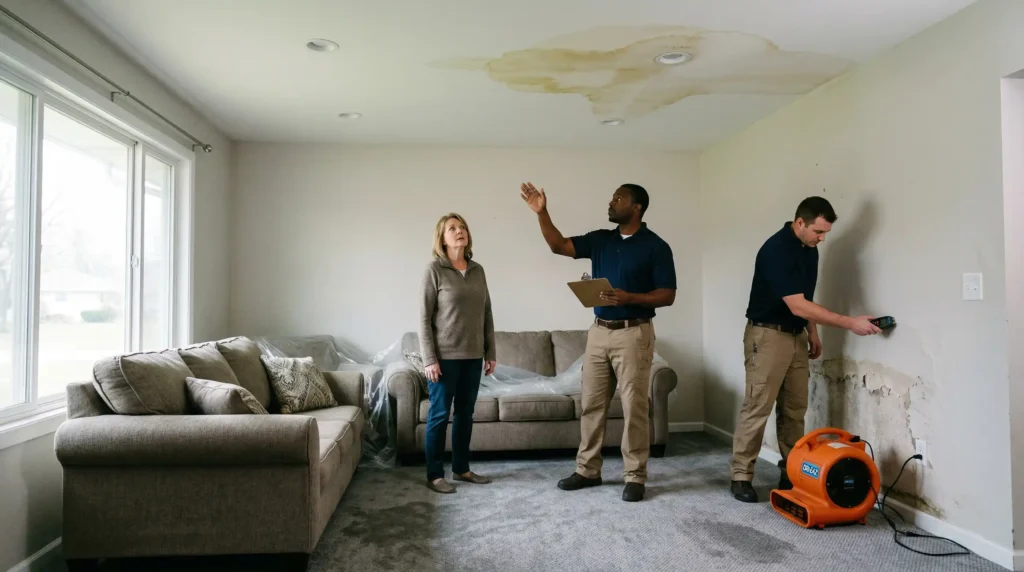
It is what kind of water it is, how far it traveled, and what materials it touched before drying begins.
The main types of water damage restoration services address
The common water-loss situations that typically require professional cleanup, drying, and recovery planning.
Most restoration work starts with the source of the water event. The most common covered situations include-
- Sudden plumbing leaks,
- Burst or broken supply lines,
- Appliance overflows,
- Roof leaks,
- Storm-driven water intrusion,
- Flood-related interior water entry,
- And sewage backups.
Restoration experts across the industry treat clean water, gray water, and black water as meaningfully different because contamination level changes the cleanup approach.
For example, water from a fresh supply line leak is very different from water that has passed through an appliance, mixed with runoff, or backed up from a sewer line. The more contamination involved, the more the work shifts from simple drying toward sanitation, material removal, and controlled recovery decisions.
That is why the same visible symptom, such as a wet floor, can require very different restoration steps depending on the source.
Clean water damage
Clean water events usually begin with sanitary sources such as broken supply lines, plumbing leaks, or some roof and window intrusions caught early. These losses can still damage flooring, baseboards, drywall, insulation, cabinets, and contents if water spreads or sits too long.
Even when the source starts clean, delayed cleanup can make the situation worse as water migrates into hidden cavities and porous materials.
Gray water damage
Gray water usually involves water with a higher contamination load, including some appliance discharges or overflows. It may not look severe at first, but it can still affect indoor surfaces, soft goods, and concealed building materials in ways that require more than surface drying.
Once gray water spreads across absorbent materials or remains in place, restoration decisions become more conservative.
Black water damage
Black water is the highest-risk category and includes sewage and many floodwater situations. This type of loss raises urgent concerns about contamination, disposal, sanitation, and whether specific materials can realistically be saved. Sewage backup cleanup and flood cleanup are distinct services, which align with how higher-risk water events are usually handled in practice.
Where water damage usually starts
Let’s understand the most common property failures that lead to restoration work.
Plumbing failures are a leading trigger because they can release a large amount of water before anyone notices.
- Supply lines, connection points, fixture failures, and sudden interior leaks can soak flooring and wall assemblies long before stains become obvious.
- Appliance-related incidents, especially around dishwashers, washing machines, refrigerators, and water heaters, follow a similar pattern because the leak often starts in a hidden area.
Storm-related water damage behaves differently. In lower-desert communities, monsoon season brings heavy rain, high winds, hail, dust storms, and flash flooding. That combination matters because a property may first suffer exterior damage from wind or debris, then take on water through roof openings, doors, windows, or compromised seals. Once stormwater crosses the building envelope, cleanup may involve both water restoration and follow-up work related to contamination, debris, or odor.
Repeated small leaks also deserve attention. A slow drip under a sink, around a toilet base, or above a ceiling can look minor but create a wide field of hidden damage over time. These are the cases where staining, soft drywall, swelling trim, warped flooring, and musty odors can point to a much larger moisture footprint than you first expect.
That is why understanding water damage restoration and secondary damage after cleanup helps review the progression from small intrusion to bigger structural and moisture problems.
What restoration usually includes after a water event
This section breaks down the practical steps property owners should expect after water intrusion is discovered.
Restoration services generally begin with-
- Inspection,
- Source identification, if possible,
- Water removal,
- Drying,
- And damage assessment.
The process then branches depending on the contamination level and what materials were affected. Experts advocate inspection first because the visible water line rarely shows the full extent of the loss.
In many cases, the work goes beyond extracting water. Porous materials may need to be removed, contents may need evaluation, and areas that stayed damp too long may need mold-related follow-up. EPA says water-damaged areas and items should be dried within 24 to 48 hours to help prevent mold growth, which is why delayed cleanup often leads to a second stage of restoration rather than a simple dry-out.
If the water event involves contaminated water, the scope becomes broader. Floodwater and sewage can carry harmful contaminants, and the CDC notes that heavy rains and flooding can damage sewer systems and cause untreated wastewater overflows.
That is why contaminated losses often involve stricter decisions about what to discard, what can be cleaned, and when to keep people out of the affected area until the property is properly addressed.
If you are trying to decide whether a water loss is still a basic cleanup issue or has crossed into contamination, hidden moisture, or mold risk, talk to a qualified restoration professional.
Call (928) 291-2218
That is especially true after floodwater intrusion, sewage backups, storm-exposed openings, or leaks that were left wet for more than a day or two.
Review our approach to water damage restoration and sewage backup cleanup for the kinds of situations that typically need that level of response.
How to make better decisions in the first hours
The safer early decisions can reduce secondary damage and avoid avoidable mistakes.
Your first priority is always safety.
If water is near electrical hazards, if there is structural instability, or if the source is sewage or floodwater, limit access and use appropriate emergency services or qualified professionals. After that, stopping the source of the water, protecting unaffected contents, and documenting visible damage are usually the most practical first steps.
Avoid assuming that dry-looking surfaces are actually dry.
Water travels under flooring, behind baseboards, into insulation, and through wall cavities. In commercial settings, that hidden spread can interrupt tenants, staff, equipment, and operations long after the visible puddle is gone. This is one reason restoration experts increasingly emphasize moisture mapping, staged drying, and reinspection rather than one-time extraction alone.
Do not ignore mold risk after a leak or storm intrusion
EPA and CDC both advise drying wet materials within 24 to 48 hours, and both mold inspection and mold remediation could be necessary to prevent further damage. To stay ahead of the damage, look into how fast the mold grows after water damage and why mold remediation should be part of your water damage restoration plan.
Why “covered under restoration services” is really a scope question
Restoration coverage depends on the damage profile, not just the presence of water.
When people ask what water damage is covered under restoration services, the practical answer is broader than a single checklist. Restoration typically covers the response work needed after water intrusion from leaks, plumbing failures, appliance issues, storm entry, flooding, and sewage events. But the actual scope depends on-
- Water category,
- How long the materials stayed wet,
- Whether contamination is present,
- And whether the loss expanded into mold, odor, or content damage.
That is why two losses that both begin with “water damage” may lead to very different recovery paths.
- A fresh interior leak may center on extraction and drying.
- A monsoon-driven intrusion may also involve debris, broken openings, contamination concerns, and follow-on mold risk.
- A sewage backup is its own category entirely.
The better you understand that distinction, the better decisions you can make about prevention, emergency priorities, and when a simple cleanup is no longer enough.
Frequently Asked Questions
1. What kinds of water damage usually fall under restoration services?
Most restoration work starts after leaks, burst pipes, appliance failures, roof leaks, storm-driven intrusion, flooding, or sewage backups. The key issue is not just where the water came from, but how contaminated it is and what materials it reached. That is what drives the cleanup, drying, and repair decisions.
2. Is rainwater damage treated the same way as a plumbing leak?
Not always. A fresh plumbing leak may begin as a cleaner water source, while rainwater intrusion can arrive with debris, dirt, or building-envelope damage. In monsoon-prone lower-desert properties, storm water can also enter through broken windows, roof gaps, and wind-damaged openings, which can widen the restoration scope.
3. What makes sewage backups different from other water losses?
Sewage backups are treated as high-risk contamination events. They may involve pathogens and other harmful contaminants, which is why cleanup decisions are more restrictive and safety-focused than with cleaner water sources.
4. Can a small leak still require restoration services?
Yes. A slow or hidden leak can saturate drywall, trim, flooring, and insulation before the damage becomes obvious. By the time you notice staining, warping, or odor, moisture may already be spread behind finished surfaces, which can turn a small leak into a broader drying and repair project.
5. How quickly does mold become a concern after water damage?
Mold can become a concern quickly if wet materials are not dried promptly. EPA and CDC both say water-damaged areas and items should be dried within 24 to 48 hours to help prevent mold growth. That is why delayed cleanup often leads to both water restoration and mold-related work.
6. Does floodwater always mean contamination concerns?
Floodwater should be treated cautiously because it often carries debris, soil, chemicals, or sewage-related contaminants. CDC notes that flooding can damage sewer systems and cause untreated wastewater overflows, which makes flood cleanup different from a simple indoor leak.
7. What should you do first after discovering water damage?
Focus on safety first. Keep people away from electrical hazards, structural concerns, or contaminated water. After that, stop the water source if you can do so safely, document visible damage, and protect unaffected belongings while you decide whether the loss needs professional restoration support.
8. Are commercial properties handled differently from homes?
The principles are similar, but commercial losses often involve more occupants, more interruption, and more hidden consequences for operations. Water spreading through suites, shared walls, storage areas, or customer spaces can affect staffing, access, equipment, and reopening decisions even when the visible damage seems limited.
9. Why does the source of the water matter so much?
The source helps determine whether the water is considered clean, gray, or black. That classification changes what can be cleaned, what may need removal, what kind of sanitation is needed, and how urgently the area should be isolated. One wet floor can mean very different things depending on where the water originated.
10. Can dust and storm damage make water losses worse in desert properties?
Yes. In lower-desert storms, water intrusion may happen at the same time as wind-driven debris, broken openings, and dust infiltration. That means the cleanup may involve more than drying alone, especially when interior surfaces or soft materials are affected after a monsoon event.
11. When does a water cleanup become more than a DIY problem?
It moves beyond DIY when-
1. The water source is contaminated,
2. The damage is widespread,
3. Materials stay wet too long,
4. Or moisture has spread into concealed areas.
Sewage backups, floodwater intrusion, electrical risk, and visible or suspected mold are all signs that the decision-making should shift toward qualified professional help.
